Is Google’s New AI Agent the Beginning of Fully Automated Customer Support

googles ai

For years, customer support has walked a fine line between speed and empathy. Customers want answers instantly, but they also want to feel understood. Companies, meanwhile, struggle with the cost of staffing call centers around the clock. Enter Google’s latest move: AI Mode Agents, tools designed to automate support tasks with conversational intelligence.

It sounds like the beginning of fully automated customer service. Imagine never waiting on hold, never repeating your issue, and never relying on a human agent for routine problems. But here’s the twist: if automation goes too far, will customer experience actually improve, or will it lose the human connection people still value?

Later in this article, I’ll share how we at Wow help businesses adopt AI responsibly, blending automation with human-led support. But first, let’s explore whether Google’s new AI agent for customer service is really the first step toward replacing human support altogether.

Table of Contents

What Are Google’s AI Mode Agents?

Why AI Automation for Customer Support Is Gaining Ground

Case Study: AI in Action for a Retail Client

Will Google’s AI Mode Agents Replace Human Agents?

The Risk of Over-Reliance on AI

The Future of AI Agents for Customer Service

Frequently Asked Questions (FAQs)

Conclusion

What Are Google’s AI Mode Agents?

Google has been steadily advancing its AI capabilities, and the introduction of AI Mode Agents is part of its push to automate customer-facing workflows. These customer support AI agents are designed to:

  • Handle basic troubleshooting and FAQs
  • Route complex issues to human agents
  • Learn from interactions to improve accuracy
  • Deliver responses in natural, conversational language

The promise here is significant. According to Deloitte, 56% of companies are already experimenting with AI in customer support, and those that adopt automation report cost reductions of up to 40%. Google’s AI Mode Agents aim to accelerate this trend by offering businesses a plug-and-play solution that scales faster than traditional call centers.

Still, I find myself asking: if customer support becomes fully automated, what happens to personalization, empathy, and customer trust?

Why AI Automation for Customer Support Is Gaining Ground

The rise of AI for customer support isn’t surprising. Businesses face intense pressure to provide 24/7 service, cut operational costs, and meet consumer expectations for instant answers.

Here’s why automation is advancing so quickly:

1. Scalability – AI agents can manage thousands of interactions simultaneously, while humans are limited by shift hours.

2. Cost Efficiency – The average cost of a live agent interaction is around $7, compared to just a few cents for an AI-driven chat.

3. Speed – A PwC study found that 82% of customers expect an immediate response from brands, and AI can deliver that consistently.

4. Consistency – AI doesn’t get tired or emotional; it delivers the same answer every time.

From what I’ve seen, companies aren’t turning to AI simply for novelty, they’re doing it because the economics are irresistible.

Case Study: AI in Action for a Retail Client

One of our retail clients faced a growing backlog of support tickets, with wait times averaging 15 minutes on live chat. They wanted to improve service without hiring an entire new team. We introduced an AI customer support solution that automated responses to common queries like order tracking, returns, and product availability.

The results:

  • Ticket backlog dropped by 60% in the first two months
  • Average resolution time decreased to under 2 minutes
  • Human agents focused on high-value cases, improving customer satisfaction scores by 18%

This mirrors what Google aims to achieve with customer support AI agents: shifting routine tasks to machines while reserving humans for nuanced, high-empathy interactions. But here’s the catch, success depends on how companies balance AI and human input.

Will Google’s AI Mode Agents Replace Human Agents?

From my perspective, not entirely. While AI will continue to take on more responsibilities, full automation for customer support faces clear limitations:

  • Empathy and Nuance – A frustrated customer doesn’t just want a solution; they want to feel heard. AI struggles to replicate true empathy.
  • Complex Problem Solving – Edge cases and multi-step issues often require human creativity and judgment.
  • Cultural and Contextual Understanding – AI may misunderstand slang, tone, or cultural references, leading to poor experiences.

In fact, a Zendesk report showed that 69% of customers prefer to speak with a human agent for complex issues, even if an AI agent for customer service is available. This reinforces my belief that Google’s AI Mode Agents will complement, not replace, human-led support.

The Risk of Over-Reliance on AI

While I’m optimistic about Google’s progress, I also see risks if companies jump too quickly into full automation:

  • Customers may perceive interactions as impersonal
  • Technical glitches could lead to service outages at scale
  • Job losses in the customer service sector could spark backlash
  • Over-standardization could erode brand differentiation

This is why I believe businesses must treat AI as an enhancement, not a replacement. In my own work, I’ve seen companies thrive when they adopt a human-in-the-loop model, where AI handles 70% of tasks and humans manage the rest. It’s efficient without losing the personal touch.

The Future of AI Agents for Customer Service

Looking ahead, I expect Google’s AI Mode Agents and similar AI agents for customer service to reshape support in key ways:

  • Proactive Support – AI predicting issues before customers reach out.
  • Voice Integration – Agents seamlessly handling phone calls with near-human fluency.
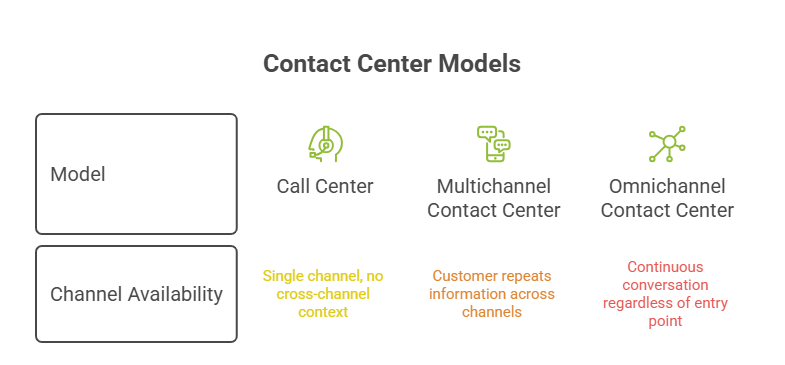
  • Omnichannel Consistency – Unified experiences across chat, email, voice, and social.
  • Personalized Responses – AI drawing from customer data to tailor answers.

McKinsey estimates that AI for customer support could deliver $1.2 trillion in annual value across sales and customer operations by 2030. To me, this signals that while we may not see fully automated support tomorrow, the trajectory is clear: AI is becoming a cornerstone of customer service strategy.

Frequently Asked Questions (FAQs)

1. What are Google’s AI Mode Agents?

They are customer support AI agents designed to automate tasks such as FAQs, ticket routing, and conversational assistance.

2. Can AI fully replace human customer service agents?

Not completely. While an AI agent for customer service excels at routine tasks, it still struggles with empathy, complex problem solving, and cultural context.

3. How can businesses adopt AI without losing customer trust?

By using AI for customer support to handle efficiency while keeping humans available for complex, emotional, or high-value interactions.

Conclusion

So, is Google’s new AI Agent the beginning of fully automated customer support? In my view, it’s certainly a major step in that direction, but not the final one. While AI Mode Agents will redefine efficiency and scale, the human role in customer support remains irreplaceable.

At Wow, we’ve helped companies adopt AI for customer support without sacrificing empathy or personalization. By blending automation with human-led solutions, we give businesses the best of both worlds.

Ready to Elevate Your Customer Support?

Partner with Vserve for outsourced support solutions that combine AI efficiency with human care. From chat and email support to customer support AI agents, we help you scale service while keeping customers satisfied.

Get Your Free Consultation Today

Suggested Reads:

Outsourcing Inbound Call Center Services: Is It Right for Your Line of Business?

call center

Building successful call center services is a craft that mixes technology and people skills. You’re not just answering phones; you’re shaping moments for  your consumers and your customer service call center agents.

Yet, let’s be honest: making those moments enjoyable for both sides is tricky. Without the right tools, even the most talented customer service agents may struggle. The secret is the right blend of call center tools, equipment, and software.

Below, we unravel the ultimate guide to set up call center services. It is packed with must-have gear for call center customer service, so you can replace dull manual tasks with streamlined efficiency. Now, you can create the kind of human connection every customer call service dreams of.

Table of Contents

1. What equipment and tools are required to set up call center services?

2. The Use of Call Center Services Software

3. FAQs

4. Conclusion

What Equipment And Tools Are Required To Set Up Call Center Services?

1. Call Center Equipment

Every customer service call center agent needs the right setup. Whether you run a physical center or manage a remote team, this is the hardware heartbeat of call center customer services.

a) Computer
No customer call service can run without this. It’s your gateway to CRM systems, call center services dashboards, and email communication. You don’t need a flashy machine—just a reliable one with decent speed and antivirus protection to guard your call center customer service data.

b) Headphones
Clear communication is the soul of customer service call center operations. High-quality, comfortable, noise-canceling headsets mean fewer misunderstandings and happier customers.

Remember: 89% of consumers who face poor service switch to competitors. A headset that blocks background chaos can be a quiet savior for your customer call service.

2. PBX Switch

A PBX (Private Branch Exchange) is your internal call-routing mastermind—letting customer service agents make and receive calls while juggling voicemail, music-on-hold, and IVR menus.

  • On-premises PBX – Old-school but rock-solid. Offers superb sound, though it’s stuck to your desk and heavy on maintenance.
  • IP PBX – Internet-powered flexibility with just a desk phone and minimal hardware.
  • Hosted PBX – Cloud-hosted freedom, perfect for remote customer service call center agents working with strong internet. No hardware headaches, as a third-party handles the lot.

The Use of Call Center Services Software

3. Interactive Voice Response (IVR)

The familiar “Press 1 for…” system. When fine-tuned, IVR speeds up call center customer service by routing customers to the right customer service call center agent before a single hello. It’s also brilliant for capturing language preferences or quick details before live interaction.

4. Customer Relationship Management (CRM) system

A CRM stores the customer’s story. It tells you all about order history, last contact, even their preferred channel of communication. It empowers customer service agents to personalize every interaction in the customer service call center, boosting satisfaction and cutting repeat explanations. Integrated well, it’s the ultimate bridge between call center services and omnichannel harmony.

5. Call Conferencing

This is for internal meetings and also for problem-solving on the fly. Instead of tossing the customer between agents, pull another expert into the live call. For training, let rookies listen in on a senior customer service call center agent handling tough cases. it’s real-time education without the textbook.

6. Call Barging

Sounds bold, but when a supervisor “barges” into a live call, they can rescue tricky situations. It’s perfect for spot-checking customer call service quality or calming escalations without long hold times. Just be sure to have protocols so customers don’t feel ambushed.

7. Metrics and Analytics

You can’t improve what you can’t measure. Analytics tools track KPIs like call volume, wait time, and resolution rates in your call center customer service operation. The best systems turn raw data into dashboards that keep team leaders one step ahead.

8. Reporting

Real-time reporting is a lifesaver when call queues spike. Immediate insight lets you shift resources before burnout hits your customer service agents.

9. Call Monitoring

Recordings and screen captures help you assess customer service call center agent performance. They also create a factual record for training or dispute resolution. This keeps accuracy at the heart of your call center customer service.

10. Dynamic Dialers

For outbound or blended teams, dialers remove the manual pain of punching numbers. Faster dialing means more time for meaningful conversations in call center customer service interactions.

FAQs

1. What is the meaning of call center services?

Call center services refer to a range of functions. They include handling inbound or outbound calls, email, chat, and more—to manage customer communication, sales, and support for businesses.

2. What is KPI for call center?

KPIs in call center customer service measure performance metrics like average handling time, first call resolution, customer satisfaction score, and call abandonment rate.

3. Which type of services are provided by a call centre?

A customer service call center can offer inbound support, outbound sales, telemarketing, technical help, order processing, and multi-channel customer engagement.

Conclusion

Call center services are the backbone of customer connection, whether in retail, tech, or finance. With the right mix of hardware, software, and skilled customer service call center agents, you can transform ordinary interactions into lasting loyalty. And if building all of this in-house feels overwhelming, outsourcing can plug you into expert customer call service talent without the infrastructure headaches.

Supercharge Your Customer Support Today

Experience 24/7 professional call center services that enhance satisfaction, cut costs, and boost brand loyalty at WOWCustomerSupport.
Get Started Now

Suggested Reads

  • Affordable Call Center Services That Improve Response Times & Customer Satisfaction — Explores how cost-effective call center services enable faster response times and happier customers without breaking the budget. WOW Customer Support
  • A Technical Breakdown of How Call Center Services Use AI to Improve Customer Experience — Details how AI integration in call center services, such as routing, chatbots, and sentiment analysis, enhances efficiency, personalization, and satisfaction. WOW Customer Support
  • Outsourcing Inbound Call Center Services: Is It Right for Your Line of Business? — Examines the benefits, challenges, and decision-making factors involved in outsourcing inbound call center services. WOW Customer Support
  • 6 Best Customer Service Solution Tools for Growing Teams — Highlights six top tools (e.g., Zendesk, Freshdesk, LiveAgent) that help expanding teams balance efficiency and empathy in customer service operations. WOW Customer Support
  • Which AI Customer Service Tools in 2025 Are Dominating the Market Right Now — Reviews leading AI-powered customer support platforms (Intercom, Freshdesk, Ada) and emphasizes the importance of combining automation with a human touch. WOW Customer Support

Outsourcing Inbound Call Center Services: Is It Right for Your Line of Business?

Call Center Tools

Building successful call center services is a craft that mixes technology and people skills. You’re not just answering phones; you’re shaping moments for your consumers and your customer service call center agents.

Yet, let’s be honest: making those moments enjoyable for both sides is tricky. Without the right tools, even the most talented customer service agents may struggle. The secret is the right blend of call center tools, equipment, and software.

Below, we unravel the ultimate guide to set up call center services. It is packed with must-have gear for call center customer service, so you can replace dull manual tasks with streamlined efficiency. Now, you can create the kind of human connection every customer call service dreams of.

Table of Contents

What equipment and tools are required to set up call center services?
The Use of Call Center Services Software
FAQs
Conclusion

What Equipment And Tools Are Required To Set Up Call Center Services?

1. Call Center Equipment

Every customer service call center agent needs the right setup. Whether you run a physical center or manage a remote team, this is the hardware heartbeat of call center customer services.

a) Computer
No customer call service can run without this. It’s your gateway to CRM systems, call center services dashboards, and email communication. You don’t need a flashy machine—just a reliable one with decent speed and antivirus protection to guard your call center customer service data.

b) Headphones
Clear communication is the soul of customer service call center operations. High-quality, comfortable, noise-canceling headsets mean fewer misunderstandings and happier customers.

Remember: 89% of consumers who face poor service switch to competitors. A headset that blocks background chaos can be a quiet savior for your customer call service.

2. PBX Switch

A PBX (Private Branch Exchange) is your internal call-routing mastermind—letting customer service agents make and receive calls while juggling voicemail, music-on-hold, and IVR menus.

  • On-premises PBX – Old-school but rock-solid. Offers superb sound, though it’s stuck to your desk and heavy on maintenance.
  • IP PBX – Internet-powered flexibility with just a desk phone and minimal hardware.
  • Hosted PBX – Cloud-hosted freedom, perfect for remote customer service call center agents working with strong internet. No hardware headaches, as a third-party handles the lot.

The Use of Call Center Services Software

3. Interactive Voice Response (IVR)

The familiar “Press 1 for…” system. When fine-tuned, IVR speeds up call center customer service by routing customers to the right customer service call center agent before a single hello. It’s also brilliant for capturing language preferences or quick details before live interaction.

4. Customer Relationship Management (CRM) system

A CRM stores the customer’s story. It tells you all about order history, last contact, even their preferred channel of communication. It empowers customer service agents to personalize every interaction in the customer service call center, boosting satisfaction and cutting repeat explanations. Integrated well, it’s the ultimate bridge between call center services and omnichannel harmony.

5. Call Conferencing

This is for internal meetings and also for problem-solving on the fly. Instead of tossing the customer between agents, pull another expert into the live call. For training, let rookies listen in on a senior customer service call center agent handling tough cases. it’s real-time education without the textbook.

6. Call Barging

Sounds bold, but when a supervisor “barges” into a live call, they can rescue tricky situations. It’s perfect for spot-checking customer call service quality or calming escalations without long hold times. Just be sure to have protocols so customers don’t feel ambushed.

7. Metrics and Analytics

You can’t improve what you can’t measure. Analytics tools track KPIs like call volume, wait time, and resolution rates in your call center customer service operation. The best systems turn raw data into dashboards that keep team leaders one step ahead.

8. Reporting

Real-time reporting is a lifesaver when call queues spike. Immediate insight lets you shift resources before burnout hits your customer service agents.

9. Call Monitoring

Recordings and screen captures help you assess customer service call center agent performance. They also create a factual record for training or dispute resolution. This keeps accuracy at the heart of your call center customer service.

10. Dynamic Dialers

For outbound or blended teams, dialers remove the manual pain of punching numbers. Faster dialing means more time for meaningful conversations in call center customer service interactions.

FAQs

1. What is the meaning of call center services?

Call center services refer to a range of functions. They include handling inbound or outbound calls, email, chat, and more—to manage customer communication, sales, and support for businesses.

2. What is KPI for call center?

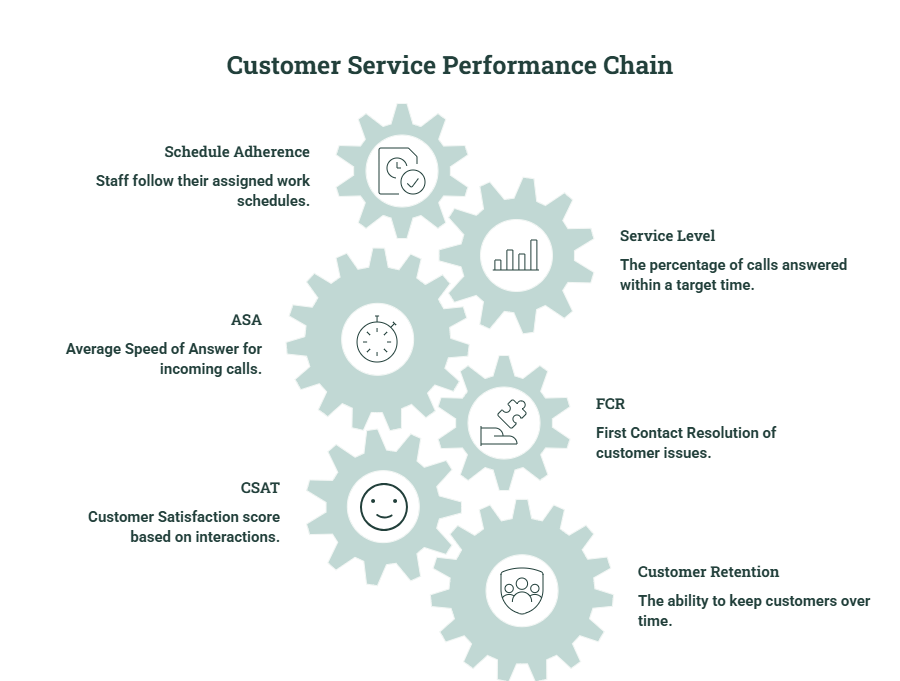
KPIs in call center customer service measure performance metrics like average handling time, first call resolution, customer satisfaction score, and call abandonment rate.

3. Which type of services are provided by a call centre?

A customer service call center can offer inbound support, outbound sales, telemarketing, technical help, order processing, and multi-channel customer engagement.

Conclusion

Call center services are the backbone of customer connection, whether in retail, tech, or finance. With the right mix of hardware, software, and skilled customer service call center agents, you can transform ordinary interactions into lasting loyalty. And if building all of this in-house feels overwhelming, outsourcing can plug you into expert customer call service talent without the infrastructure headaches.

Supercharge Your Customer Support Today

Experience 24/7 professional call center services that enhance satisfaction, cut costs, and boost brand loyalty at WOWCustomerSupport.
Get Started Now

Suggested Reads

  • Affordable Call Center Services That Improve Response Times & Customer Satisfaction — Explores how cost-effective call center services enable faster response times and happier customers without breaking the budget. WOW Customer Support
  • A Technical Breakdown of How Call Center Services Use AI to Improve Customer Experience — Details how AI integration in call center services, such as routing, chatbots, and sentiment analysis, enhances efficiency, personalization, and satisfaction. WOW Customer Support
  • Outsourcing Inbound Call Center Services: Is It Right for Your Line of Business? — Examines the benefits, challenges, and decision-making factors involved in outsourcing inbound call center services. WOW Customer Support
  • 6 Best Customer Service Solution Tools for Growing Teams — Highlights six top tools (e.g., Zendesk, Freshdesk, LiveAgent) that help expanding teams balance efficiency and empathy in customer service operations. WOW Customer Support
  • Which AI Customer Service Tools in 2025 Are Dominating the Market Right Now — Reviews leading AI-powered customer support platforms (Intercom, Freshdesk, Ada) and emphasizes the importance of combining automation with a human touch. WOW Customer Support

Going Outbound: Your Guide to Outbound Customer Service Contact Centers

Guide to Outbound Call Center

When you think of customer service contact centers, you might imagine agents patiently answering inbound queries. But there’s another side to the story. This is where the business doesn’t just wait for the phone to ring. Instead, it dials first. Welcome to the world of Outbound Customer Service Contact Centers, where companies step forward, not back, to connect, engage, and influence.

Outbound call center services aren’t a relic of telemarketing days. They’re an evolving strategy, wrapped in technology, empathy, and precision targeting. Outbound calling services give a brand the power to be proactive. It allows the brand to be anticipating needs, solving issues before they escalate, and delivering excellent customer service in real time.

Table of Contents

Understanding Outbound Call as a Function

Should Your Call Center Operate with Outbound Calling?

Outbound Calling Services: Best Practices

How to Assess Outbound Call Performance

Conclusion

Understanding Outbound Call as a Function

An outbound contact center service is like the extrovert of the customer service contact center family; it initiates the conversation. Contact center agents here are tasked with placing calls to clients, potential customers, or even other businesses. This isn’t just about selling; it’s about connection.

The uses are as varied as the industries themselves:

  • Telemarketing and cold sales calls
  • Customer service follow-ups
  • Market research and surveys
  • Fundraising for causes
  • Keeping contact lists fresh
  • Outreach for product launches
  • Post-purchase feedback
  • Data gathering from partners

When outbound customer service contact centers function efficiently, they can enhance customer experience, boost brand reputation, and keep the sales pipeline healthy. The magic lies in clean call lists, context-rich histories, and conversion rates that don’t just happen but are engineered.

Should Your Call Center Operate with Outbound Calling?

Before adding outbound calling services to your playbook, you need to know their role in your bigger strategy. Budget, location, and tools all play their part.

Consider this: 73% of customers say their experience with a company is a major driver in purchase decisions. That’s your signal. If your business goals align with outreach, follow-ups, or relationship building, outbound call center services can deliver.

Modern customer service contact centers leverage digital tools with power dialers and CRM integration. They ensure contact center agents have customer context before “Hello” is spoken. This doesn’t just speed up the call; it personalizes it.

Physical vs virtual? On-site operations offer close supervision but come with high costs. Virtual setups lower expenses, enable remote teams, and still keep compliance tight. The right model depends on your resources and goals.

Outbound Calling Services: Best Practices

With outbound contact center services, compliance is non-negotiable. Laws like the TCPA and DNC Registry protect customer rights. Contact center agents must work within these boundaries while still delivering warmth, empathy, and clarity.

A successful customer service contact center combines legal knowledge with human connection. Here’s how:

Write Your Scripts

Make scripts conversational. Let contact center agents sound like people, not machines. Energy matters, but so does authenticity. Tailor words to customer needs. Your script should feel like a helpful hand, not a sales overload.

Talk to Your Agents

Train and retrain. Encourage them to listen first, talk second. Customers notice when their time is respected, and excellent customer service is often about making the customer feel heard.

Identify The Customers’ Needs

Every call has a purpose, and so does every person answering it. Use CRM data to anticipate needs, whether it’s resolving a problem, offering a timely promotion, or gathering feedback. Outbound calling services work best when the conversation starts with relevance.

How to Assess Outbound Call Performance

If you can’t measure it, you can’t improve it. Metrics tell the story of outbound customer service contact centers - activity, satisfaction, and productivity.

Dashboards from cloud-based phone systems show:

  • Number of calls placed per agent per day
  • Duration of calls
  • Connect rate vs missed calls
  • Voicemail ratios
  • Average handling time

Want deeper insights? Track conversions, cost per call, and ROI per campaign. These numbers help refine strategy, set benchmarks, and identify winning patterns in outbound call center services.

FAQs

1. What is an outbound contact centre?

An outbound contact centre is a customer service contact center where agents initiate calls to customers or prospects for purposes like sales, follow-ups, research, or engagement.

2. What does outbound customer service mean?

Outbound customer service is a proactive approach where contact center agents reach out to customers to provide assistance, information, or offers before the customer makes an inquiry.

3. What does the outbound call service mean?

Outbound call service refers to the operations of outbound calling services, where calls are made to customers or organizations for outreach, marketing, surveys, or support purposes.

Conclusion

Outbound customer service contact centers offer businesses the chance to control the conversation, increase loyalty, and improve satisfaction. But they only work if the people, processes, and technology behind them are sharp. Follow compliance rules, personalize interactions, and measure relentlessly.

From the first script draft to the last dashboard review, outbound call center services can be the game-changer your customer service contact center needs. With the right contact center agents and strategies in place, you’re not just calling; you’re connecting.

Take Your Outbound Call Center to the Next Level

Boost conversions, streamline operations, and keep your customers engaged with our expert outbound customer service solutions at WOW Customer Support. Get Started Today

Suggested Reads

  • 9 Automation Tools That Make Outsourced Call Centers More Efficient — Explores how specific automation tools can streamline call center operations, improve agent productivity, and enhance customer response times. WOW Customer Support
  • Top 5 Best Omnichannel Contact Center Softwares This 2025 — Highlights the leading omnichannel software solutions for contact centers in 2025, enabling seamless, multi-channel customer engagement. WOW Customer Support
  • Why Your Current Call Response Times Are Slipping — Discusses factors behind declining enterprise call center response times and introduces strategic solutions to reduce wait times and boost efficiency. WOW Customer Support
  • Improve Response Times & Customer Satisfaction — Outlines cost-effective call center services designed to enhance response times and elevate overall customer satisfaction. WOW Customer Support.

Mastering the Art of Customer Service KPI: Metrics That Matter More Than You Think

Blog-Wow

When was the last time you measured how your support team feels to a customer?

If your answer is buried in “ticket resolution time” or “first-call response,” you’re only halfway there. In 2025, tracking Customer Service KPI is no longer about boring dashboards. It's a reality check on whether your team is creating wow or meh.

Key performance indicators aren’t numbers. The truth lies in their stories and patterns. They are predictors of whether your brand stays adored or abandoned.

Let’s unravel this world of customer service metrics, where satisfaction wears many faces and KPIs for customer service don’t always mean what you think they do.

Table of Contents

Understanding the Customer Service KPI Landscape

Why Metrics in Customer Service Are Not Optional Anymore

10 Essential KPI Metrics for Customer Service in 2025

Mistakes Brands Make While Chasing Metrics

Customizing KPIs to Match Brand Personality

FAQs

Conclusion

Understanding the Customer Service KPI Landscape

Some customer service metrics are tactical (like average resolution time). Others are emotional (like CSAT or NPS). The smartest brands blend both. That’s because customer service performance metrics speak to two audiences: your support team and your end users. One needs clarity while the other needs care.

The key is understanding what you want your Key Performance Indicators to achieve. Speed? Loyalty? Repeat business? Emotional connection?

Pick your metric and then measure it ruthlessly.

Why Metrics in Customer Service Are Not Optional Anymore

Your competition is watching. Your customers are talking. The only way to stay sharp is through numbers.

Measuring the right metrics for customer service means:

  • You identify failing processes before they explode.
  • You coach your agents with precision instead of guesswork.
  • You turn customer pain into power.

In short, Customer Service KPI gives your support team a mirror, and sometimes, this mirror can be brutal but necessary.

10 Essential KPI Metrics for Customer Service in 2025

1. First Response Time (FRT)

How fast does your team say, “Hey, we hear you”? Delayed FRT is lost trust.

Formula:
FRT = Total First Response Time / Total Number of Tickets

2. Average Resolution Time (ART)

Speed matters, but don’t rush. Efficiency and empathy surely wins.

Formula:

ART = Total Time to Resolve All Tickets / Number of Tickets Resolved

3. Customer Satisfaction Score (CSAT)

A simple 1–5 survey, but packed with insight. Small numbers with a big punch.

Formula:

CSAT = (Number of Positive Responses / Total Responses) × 100

4. Net Promoter Score (NPS)

Would your customer recommend you? If not, why are they still here?

Formula:

NPS = % of Promoters − % of Detractors

(Where Promoters = 9-10 score, Detractors = 0-6 on the survey)

5. Customer Effort Score (CES)

Did they jump through hoops or glide? Lower effort needed from the customer results in higher loyalty.

Formula:

CES = Sum of All Customer Effort Scores / Total Responses

(Typically based on 1–7 scale, where lower is better)

6. Ticket Volume Trends

Are support requests growing or shrinking? What’s the story behind the spike?

Formula:
Ticket Trend % = ((Current Period Tickets - Previous Period Tickets) / Previous Period Tickets) × 100

Use this to spot seasonal changes, product issues, or service breakdowns.

7. First Contact Resolution (FCR)

How many issues get solved the first time? If not many, dig deeper.

Formula:

FCR = (Tickets Resolved on First Contact / Total Number of Tickets) × 100

8. Agent Utilization Rate

Are your agents overworked or underused? This KPI shows the balance.

Formula:
Agent Utilization = (Total Logged-In Time – Idle Time) / Total Logged-In Time × 100

This helps manage staffing and agent well-being.

9. Abandonment Rate

If customers hang up or leave chats before help arrives, it’s a red flag.

Formula:

Abandonment Rate = (Number of Abandoned Interactions / Total Incoming Interactions) × 100

10. Quality Assurance Score

Use internal audits or peer reviews to track real interaction quality.

Formula:
QA Score = (Total QA Scores from Reviewed Tickets / Number of Reviewed Tickets)

Customize your QA rubric based on brand voice, empathy, and resolution accuracy.

Each of these customer service performance metrics tells a chapter in your service story. Combined, they tell the whole story.

Mistakes Brands Make While Chasing Metrics

High CSAT doesn’t always mean customers are loyal. Fast resolution doesn’t mean the issue won’t come back.

Many companies slap dashboards on walls and celebrate meaningless numbers. But KPI metrics for customer service must connect back to business goals. Are you improving retention, reducing churn, and lowering cost per contact?

If not, your Customer Service KPI isn’t helping—it’s just distracting.

Customizing KPIs to Match Brand Personality

An eCommerce brand might prioritize CES (because checkout should be smooth). A healthcare brand might obsess over empathy-driven CSAT. A gaming company might opt for speed and tone.

KPIs aren’t one-size-fits-all. Build your metrics in customer service to reflect your values, not someone else’s template. Customize your Key Performance Indicators like you'd tailor a suit. Make it fit and make it move.

FAQs

1. What are the KPIs for customer service?

They’re metrics that track how well your team is supporting customers. These include First Response Time, CSAT, NPS, FCR, and more. Each Customer Service KPI shows a different side of your performance.

2. What is 5 KPIs?

The top five often include First Response Time, Resolution Time, CSAT, NPS, and Agent Utilization. These give you a mix of speed, satisfaction, and efficiency.

3. What are the 4 metrics of customer service?

Resolution Time, First Contact Resolution, CSAT, and Ticket Volume. These core customer service performance metrics offer insight into team effectiveness and customer happiness.

Conclusion

The world of Customer Service KPI is deep, dynamic, and sometimes… deceptive.

But if used right, key performance indicators are your flashlight in the fog. They illuminate problems and celebrate progress. And most importantly—they speak for your customer when no one else is listening.

Don't just measure but understand. Don’t just chase metrics. Let them guide you to real, relentless improvement.

Ready to Supercharge Your Customer Support?

Track the KPIs that truly matter—while our experts handle the rest. From CSAT to FCR, WowCustomerSupport delivers insights and results that scale.Let’s Elevate Your Support Game

Suggested Reads

Affordable Options for Cosmetic Businesses: Cheap Phone Answering Service Providers

Phone Answering Service

In the glossy, glitter-filled world of cosmetics, beauty isn’t just skin deep; it’s customer-deep. I’ve built my brand brushstroke by brushstroke, and if there’s one truth I’ve learned, it’s this: if you can't answer your customers when they call, someone else will. Welcome to the game-changer—a phone answering service. A behind-the-scenes hero that lets you serve clients without burning out or breaking the bank.

Let’s talk glow-up… for your customer communication.

Table of Contents

How Important a Phone Answering Service Is in Small Businesses

Review of Low-Cost Answering Service Providers

Top Affordable Phone Answering Service Providers for Cosmetic Businesses

Setting up a Live Phone Answering Service

Why Your Cosmetic Business Needs Answering Services

FAQs

Conclusion

How Important a Phone Answering Service Is in Small Businesses

The beauty biz is crowded. Everyone’s selling something sparkly. So how do you stand out? You pick up the phone. Or rather, you let a live phone answering service do it for you.

In the fierce world of cosmetics, each ring is a golden ticket, from potential sales and loyal fans to an influencer waiting to shout you out. That’s where the phone answering service is in small businesses—a lifeline. Here's why it's more than just a voicemail upgrade:

  • Professionalism: First impressions matter, and professionalism sets the tone instantly. A live person saying “Hello, welcome to XYZ Beauty” is classy.
  • Availability: Customers shop at 2 AM. Human agents need sleep. Telephone answering services don’t nap.
  • Efficiency: Focus on packaging those orders. Let someone else charm the caller.
  • Cost-effective: No need to hire a full-time receptionist. Just plug into an affordable phone answering service provider.

Fun fact: Companies using answering services have seen up to 60% boost in customer satisfaction. That’s not just glow—that’s a full face beat.

image4

Review of Low-Cost Answering Service Providers

Now, let’s get to the good stuff. There’s a fine line between “affordable” and “cheap and terrifying.” When choosing answering service providers, here’s what you must keep your lashes on:

  • Quality of Service: Read the reviews. Secret shop their customer support if you must. Bad answering service is bad press. Check client reviews and testimonials.
  • Pricing Plans: Per-call? Per-month? Flat rate? Figure out your call volume, and opt for a plan that gives you value for money..
  • Features: Call forwarding, scheduling, message taking—the service is not just about picking up calls. Determine which features are most important for running your business, then choose a provider.
  • Availability: 24/7 is ideal. The beauty world doesn’t clock out at 5.
  • Customization: Your brand voice isn’t basic. Your phone answering service shouldn’t be either.

Pro tip: Create a checklist of what you absolutely need vs. what’s a bonus. Keep it simple and strategic.

Top Affordable Phone Answering Service Providers for Cosmetic Businesses

I’ve tested, trialed, and tracked. Here’s my go-to lineup of affordable phone answering service providers that won’t smudge your budget.

1. Wow Customer Support

  • They get the beauty biz. Offers live phone answering service, message taking, and more. Plus, 24/7 support and budget-friendly pricing.

2. AnswerAmerica

  • Basic, reliable, and starts at just $30/month. Great for new brands dipping toes into telephone answering services.

3. PATLive

  • Appointment booking, messages, call routing. $39/month for a pro-level vibe.

4. MAP Communications

  • Personalized, reliable, with a free trial to boot. Plans around $40/month.

5. VoiceNation

  • Bilingual answering, 24/7 support, and fancy call reports. Starts at $50/month—perfect for brands scaling fast.

6. Ruby Receptionists

  • A little luxe, starting at $99/month. But if your brand’s about premium care, it’s worth every penny.

image2 (34)

Setting up a Live Phone Answering Service

You picked your provider. What’s next? Setting up your live phone answering service should be smoother than a primer application:

  • Define Your Needs: Appointments? Inquiries? Orders? Be specific.
  • Train the Operators: Share your brand’s tone, vibe, do’s and don’ts.
  • Routing Rules: Which calls go where? Make the map clear.
  • Monitor and Review: Listen to recordings. Give feedback. Polish.
  • Get Customer Feedback: Ask if they liked the experience. Adjust if needed.

Bonus: Integrate with your CRM or booking platform to automate.

Why Your Cosmetic Business Needs Answering Services

Why not just rely on missed call alerts and hope for the best? Because hope isn’t a strategy; a telephone answering service is.

  • Improved Customer Experience: Every call answered, every voice heard. Feels good.
  • Increased Sales: No missed calls = no missed sales.
  • Improved Efficiency: Your team can glam up products, not juggle phones.
  • Cost Savings: Less expensive than hiring. More consistent than interns.
  • Scalability: As you grow, your service grows with you. No stretch marks.

FAQs

1. What is a phone answering service?

It’s a service where trained reps answer your business calls, take messages, forward calls, or assist customers live—so you don’t have to.

2. How much is a phone answering service?

Plans typically range from $30 to $100+ per month, depending on features and call volume.

3. How to answer the phone for customer service?

Warm greeting, brand name, offer help. Example: “Hi! Thank you for calling LuxeGlow Cosmetics. How can I assist you today?”

4. Do telephone answering services still exist?

Absolutely—and they’re more vital than ever for businesses needing 24/7 support with a personal touch.

Conclusion

Running a cosmetic business is equal parts product and presence. You’ve got the serum, the strategy, the sparkle—now add service. A phone answering service won’t just answer calls; it answers customer expectations, too.

Choose an answering service provider that matches your tempo, your budget, and your beauty. Whether you’re just starting out or expanding globally, affordable phone answering service providers like Wow Customer Support can be your behind-the-scenes brilliance.

Need Help Leveling Up Your Customer Service Game?

Never Miss a Call Again

Your Customers Deserve a Real Human, Not a Voicemail.

  • 24/7 Live Answering
  • Trained Professionals
  • Affordable & Scalable

Talk to a Phone Answering Expert

Suggested Reads

Top 5 Free Inventory Management Software for Small Businesses (2025 Guide)

inventory management

Are you a small business owner feeling the chaos creeping in every time your inventory shifts unexpectedly? You're not alone. In 2025, the future of small business operations will depend on how effortless their inventory management is.

You don’t need a big budget to access powerful tools that streamline inventory management. There are robust, no-cost solutions designed to make your inventory easier, your shelves neater, and your reports smarter.

Let’s uncover the top 5 inventory management platform options that are free, fabulous, and fit for small businesses.

Table of Contents

1. Zoho Inventory

2. Odoo Inventory

3. Sortly (New)

4. inFlow Inventory

5. ABC Inventory

FAQs

Conclusion

1. Zoho Inventory

If you could fold your entire warehouse into a cloud, Zoho Inventory would be it.

This inventory management platform is purpose-built for small to medium-sized businesses looking to fly high on a shoestring budget.

  • Centralized Control: Manage sales, purchase orders, and stock levels in one place. That’s called control—and it's sweet.
  • User-Friendly: No learning cliffs here. Dashboards are clean, alerts are timely, and features like kitting make bundling products effortless.
  • Easy Shipping: This is effortless inventory management at its best. Auto-create purchase orders and track shipments with minimal clicks.
  • Seamless Integration: Works hand-in-hand with popular eCommerce sites such as Shopify and Amazon.
  • Cost-effective: The free version includes 50 orders and 50 shipping labels per month for one warehouse. Enough for lean operations with big dreams.

With Zoho, inventory management services become less about stress and more about smooth sailing.

2. Odoo Inventory

If minimal effort and maximum control had a name, it would be called Odoo.

This cloud-based inventory management service goes beyond simple stock management. It blends with other Odoo apps like CRM, Sales, and Accounting to give you a business symphony.

  • Effortless Onboarding: Just an email, and you’re in.
  • Integrates Effortlessly: Odoo plays well with Slack, QuickBooks, Rocket Chat, WordPress, and more.
  • Enhanced Control: Barcode scanning, just-in-time methods, and automated procurement redefine how you view inventory management.
  • Cloud Convenience: Work from your desktop, tablet, or the back of a moving food truck. Odoo keeps up.
  • Affordable Freedom: The free plan is feature-limited but enough to start strong.

For businesses with growing pains, Odoo makes effortless inventory management feel like a competitive advantage.

3. Sortly (New)

Sortly is the cool kid of the inventory management platform world—visual, mobile-first, and a dream for creatives and contractors alike.

  • Visual Inventory: Take photos of products, categorize with tags, and stop playing guessing games.
  • Mobile-Friendly: Works like an app your team already loves using.
  • Offline Mode: No internet is not a reason to panic. You can still keep tracking.
  • Free Plan Perks: Up to 100 entries. Great for makers, artisans, and pop-up store heroes.

With Sortly, inventory management services become less about spreadsheets and more about storytelling.

4. inFlow Inventory

inFlow gives small product-based businesses a taste of enterprise-level features, for free.

  • Cloud + Desktop: Choose your battlefield. It works wherever you do.
  • Track Sales & Orders: See what's coming in, what’s flying off the shelves, and what’s sitting like a rock.
  • Multichannel Ready: Inventory management for businesses selling across multiple platforms.
  • Free Tier: Basic but brilliant for startups.

inFlow doesn’t just help you count stock; it helps you streamline inventory management into a repeatable process.

5. ABC Inventory

Looking for an old-school interface with hardcore functionality? Absolutely.

  • Manufacturing Power: Designed for businesses handling complex inventory flows.
  • Advanced Features: Serial number tracking, work orders, bill of materials, and more.
  • Free Forever: No strings. Just a heavy-duty desktop solution.

If your small business operates like a factory, ABC Inventory gives you industrial-strength inventory management services without the industrial-sized bill.

FAQs

1. What is service inventory management?

Service inventory management refers to tracking, managing, and optimizing non-physical items. They could be things like digital products, time slots, or services provided. Service-based industries need them for they depend on availability and scheduling.

2. What is inventory management?

Inventory management is the process of ordering, storing, using, and selling a company’s inventory. It’s the process behind your on-time deliveries, stocked shelves, and quite happy customers.

3. What is the role of inventory management in customer service?

When inventory management is effective, customers get the right products when they need them. Delays do not happen, and it improves order accuracy and overall satisfaction.

Conclusion

Managing inventory can be tough. In today’s competitive business jungle, the difference between confusion and calm in your business often lies in having the right inventory management platform.

The tools mentioned above offer a cost-free way that streamlines inventory management, automate stock control, and finally ditch those dusty spreadsheets. When you’ve got the products, these platforms give you the power to manage them like a pro.

Struggling to Keep Your Inventory in Check?

Streamline your stock, avoid fulfillment delays, and take control with expert order management support from WOW. Explore our Order Management Solutions

Suggested Reads

Outstanding Game Customer Service: Strategies That Keep Players Hooked

Game Customer Service

What makes a gamer rage quit a game forever? Possibly lags and bugs. But when it is about terrible game customer support, they always quit.

In the world of loot boxes and leaderboards, outstanding game customer service is the hidden power-up that keeps players playing and paying. Be it a stuck character, lost loot, or just general confusion after a patch, game customer service becomes the mainstay of the digital battlefield.

So, let’s press "Start" on the guide to Gaming Customer Service that keeps gamers not just satisfied but obsessed.

Table of Contents

What is Gaming Customer Service?

Why is Customer Service Important in the Gaming Industry?

How to Improve Game Customer Service

FAQs

Conclusion

What is Gaming Customer Service?

Gaming customer service refers to the support systems provided by developers, publishers, or third-party agencies to assist players. This includes:

  • Technical troubleshooting
  • Account issues
  • Payment and billing inquiries
  • Community support
  • In-game bug reporting
  • Behavior moderation

In short, it’s everything that keeps a game running smoothly when things go sideways.

As the industry scales, so does the need for high-quality gaming customer support teams that can handle not just volume, but emotion.

Why is Customer Service Important in the Gaming Industry?

Player Satisfaction

Prompt responses make a frustrated gamer feel heard. Even if the problem isn’t solved immediately, a timely, empathetic reply builds trust.

Issue Resolution

Tech glitches, banned accounts, and broken skins need to be taken care of. The customer service in the gaming industry is the front line when players run into game-breaking issues.

Brand Reputation

Today’s reviews live forever. One bad Reddit thread or a viral TikTok rant can damage a game’s reputation. Excellent support protects the brand.

How to Improve Game Customer Service

It’s all about doing the right things really well. Here’s how.

1. Implement Live Chat Support

Players want answers now, not after they’ve uninstalled. Live chat allows real-time help and has become a favorite for gamers.

Stat: According to a survey by SuperOffice, 79% of customers prefer live chat for customer service in gaming industry.

2. Provide 24/7 Support

Gamers don’t follow 9-to-5 schedules and neither should your support. Offer gaming customer support across time zones.

3. Personalize the Customer Experience

Use player names and reference their gameplay. Avoid generic scripts.

Stat: 91%  of consumers are more likely to interact with brands offering personalized support.

4. Use Player Feedback to Improve Service

Ask questions, read reviews, monitor forums, and then act.

When players see their feedback put to use, it makes them feel valued and heard.

5. Integrate a Comprehensive FAQ Section

An FAQ is your invisible army. It empowers players to help themselves and takes pressure off your customer support gaming team.

6. Offer Multi-Channel Support

Don’t box players into one communication method.

  • Email for the formal crowd
  • Twitter DMs for speed
  • In-game tickets for context
  • Discord for community feel

Give them options.

7. Implement a Ticketing System

Every player’s issue deserves a tracking number and a timeline. A well-oiled ticket system keeps your team organized and your players informed.

8. Train Customer Service Representatives Thoroughly

Support agents need to know the game inside-out, not just how to reset passwords. In-depth product training result in faster solutions and less frustration.

9. Leverage AI and Chatbots for Basic Inquiries

Let chatbots tackle the “How do I change my password?” kind of stuff. This frees your human agents for the real battles of complex or emotional cases.

10. Host Community Forums

Forums are more than just help centers. They're places where players:

  • Share tactics
  • Solve issues together
  • Report bugs early

Bonus: They often solve problems before your agents need to.

11. Monitor Social Media Channels

Players will call you out on Twitter before they send a support ticket. Be there. Fast responses on social platforms can turn PR nightmares into applause moments.

12. Offer Proactive Support

Why wait for a player to complain? If you detect an issue such as server downtime, broken patch, or a bug, reach out first. Proactive support shows care and gamers notice.

13. Provide Regular Training on Soft Skills

Patience, empathy, and clarity are musts. Train your gaming customer support team in soft skills regularly.

14. Analyze Performance Metrics

You can’t fix what you don’t track.

Monitor:

  • First Response Time
  • Resolution Time
  • CSAT (Customer Satisfaction Score)
  • Ticket Reopens

Use this data to refine your approach.

FAQs

1. How do I contact game customer service?

Usually through the game’s website, in-app support, or help center.

2. What does "outstanding customer service" mean?

It means fast, friendly, and effective help, especially when things go wrong.

3. How do I contact Game Customer Service?

Visit the game’s official help page or use live chat if available.

Conclusion

Mechanics, graphics, and storytelling may win a player’s attention, but outstanding game customer service wins their loyalty. When done right, game customer service becomes a powerful tool for player retention, brand growth, and community building.

In today’s world, where every gamer has a voice and a platform, it pays to have a gaming customer support team ready for battle.

Need Help Leveling Up Your Customer Service Game?

Discover how WOW’s expert gaming support team helps developers reduce churn and boost satisfaction. Power-Up Your Support.

Suggested Reads

Key Features of Order Management Services Designed to Reduce Costs and Boost Accuracy

order

Efficiency and precision in a fast-paced e-commerce world are the need of the hour. The new order management services are game-changers for businesses by offering tools that reduce costs and improve order accuracy. Let's explore the features that make these services necessary for modern businesses.

Table of Contents

Enhancing Efficiency Through Streamlined Order Processing

The Cost-Saving Impact of Outsourcing Order Processing

Boosting Accuracy in Order Fulfillment with Technology

Key Considerations for Cost-Effective Order Management Outsourcing

Streamlining Operations for SMEs

Measuring the ROI of Outsourced Order Processing

Overcoming Challenges in Outsourcing Order Management

Frequently Asked Questions (FAQs)

Key Takeaways

Enhancing Efficiency Through Streamlined Order Processing

Efficient order processing is the foundation of any good business. A company can enjoy state-of-the-art technologies like AI-driven inventory tracking and automation workflows by letting professional companies manage the order process.

Key features include:

  • Automated Inventory Management: According to Forbes, this feature significantly reduces the risk of stockouts and overstocking. It also prevents inventory errors, which can lead to losing up to 43% of warehouse products due to incorrect stock management.
  • Real-time Order Tracking: It keeps customers in the loop, decreasing support calls by 30%.
  • Multi-channel Sales Integration: All operations are brought together on a single platform from Amazon and Shopify, reducing the effort of manually handling orders by 25%.

Real-life scenario: A small apparel retailer partnered with Wow Customer Support to outsource their order processing. With our real-time tracking systems and streamlined workflows, the retailer improved their customer satisfaction rating by 30% and saw a 15% increase in repeat purchases.

The Cost-Saving Impact of Outsourcing Order Processing

The operational cost of outsourcing order management services will be significantly reduced. The need to hire in-house staff, infrastructure, and training can be done away with by outsourcing order processing.

How can the accuracy of fulfilling orders improve when you outsource order processing?

Advanced technologies like OCR are employed by third-party providers that can reduce up to 21% manual errors.

What are the advantages of specialized order management outsourcing services for e-commerce?

  • Scalability: Adjust services according to the volume of orders, thereby saving costs during low seasons.
  • Expertise: Leverage skilled professionals without long-term commitments.
  • Error Reduction: Implement error-proof technologies for higher accuracy.

Case Study: A mid-sized electronics brand turned to Wow Customer Support for outsourcing their order processing. Leveraging our AI-driven solutions, they not only saved $50,000 annually but also increased order accuracy by 20%, allowing them to allocate resources more effectively.

image2

Boosting Accuracy in Order Fulfillment with Technology

Technology is a significant catalyst for increasing order accuracy. Order processing services companies at the forefront of the industry are leveraging technologies such as machine learning and RPA to ensure smooth order fulfillment.

What technologies do order processing service companies use to improve accuracy?

The most common ones are:

  • Barcode Scanners and RFID Systems: Increase warehouse accuracy by up to 60%.
  • ERP Integration: Synchronizes inventory and order data, reducing errors by 45%.
  • Predictive Analytics: Forecast orders to prevent the occurrence of a stockout or overstock event.

While industry giants like Amazon use robot fulfillment centers to achieve 99.9% order accuracy, Wow Customer Support offers affordable, tech-enabled solutions for businesses of all sizes. For example, one of our clients—a health and wellness retailer, achieved a 60% reduction in warehouse errors through our barcode scanning and real-time inventory synchronization.

Key Considerations for Cost-Effective Order Management Outsourcing

When selecting an outsourcing partner, businesses must prioritize cost-effectiveness without compromising quality. Here’s what to look for:

  • Proven Track Record: Check client testimonials and case studies.
  • Transparent Pricing: Ensure there are no hidden fees.
  • Scalable Solutions: The service should grow with your business.

A logistics company partnered with Wow Customer Support, leveraging our advanced analytics dashboards to measure ROI. This collaboration improved their decision-making process, reduced operational costs by 25%, and streamlined their order management workflows.

Streamlining Operations for SMEs

Small and medium enterprises (SMEs) often lack the in-house resources to manage order processing. Outsourcing provides access to enterprise-grade solutions without hefty investments.

How do order management services streamline operations for small and medium enterprises?

  • Faster Turnaround Times: Orders are processed and shipped more quickly.
  • Reduced Staffing Costs: Eliminates the need for in-house expertise.
  • Improved Customer Experience: Offers real-time updates and accurate deliveries.

According to McKinsey, SMEs using outsourced e-commerce order processing services report a 50% increase in efficiency.

image3 (27)

Measuring the ROI of Outsourced Order Processing

The return on investment (ROI) of outsourcing must be understood to assess the effect.

How do businesses measure the ROI of outsourcing their order processing?

The metrics are as follows:

  • Error Rate Reduction: Fewer mistakes mean lower operational costs.
  • Customer Retention Rates: Accurate fulfillment drives loyalty.
  • Cost Savings: Compare pre- and post-outsourcing expenses.

Case Study: A health and wellness company collaborated with Wow Customer Support and saw transformational results. By outsourcing their order management to us, they reduced operational expenses by 40% within a year, resulting in a 20% boost in annual revenue.

Overcoming Challenges in Outsourcing Order Management

Outsourcing can raise concerns—here’s how smart partnerships address them:

Challenge

Solution

Loss of Control

Detailed SLAs and regular reporting ensure oversight

Data Security

Encryption, GDPR compliance, and secure APIs keep data safe

Communication Barriers

24/7 multilingual support bridges time zones and customer touchpoints

Frequently Asked Questions (FAQs)

What is service order management?
It refers to the handling and fulfillment of customer orders, from processing to delivery, ensuring accuracy and timeliness.

What are OMS services?
Order Management System (OMS) services include software and processes that track sales, inventory, and fulfillment in one platform.

What do you mean by order management?
Order management is the end-to-end lifecycle of receiving, processing, and fulfilling customer orders across sales channels.

Can SMEs afford order processing outsourcing?

Yes, outsourcing is highly cost-effective for SMEs, offering scalable solutions tailored to their budget.

image1

Key Takeaways

In summary, order management outsourcing offers transformative benefits. Here are three key takeaways:

  • Cost Savings: Outsourcing reduces operational costs by up to 30%, allowing businesses to focus on growth.
  • Improved Accuracy: Cutting-edge technologies and expert teams significantly improve order fulfillment accuracy.
  • Improved Efficiency: Streamlined operations and faster turnaround times enhance customer satisfaction.

We have discussed how outsourcing order processing can revolutionize business operations. To discuss further, share your thoughts in the comments section below.

For more customer support insights and strategies, join Wow Customer Support on Facebook, and LinkedIn. Stay tuned to get updates and tips that will propel your business forward.

Struggling With Order Accuracy or Rising Fulfillment Costs?

Discover how our streamlined order management solutions can reduce overhead and boost efficiency.

Get a Free Order Workflow Audit

Suggested Reads

Want to explore more ways to streamline your order operations and drive growth? Here are a few expert guides we recommend:

Understanding the Values of Call Center Service in Logistics Management

Understanding the Values of Call Center Service in Logistics Management

The way the world economy is set up now means that customers decide what a good brand or high-quality service is. Just like in any other business, the customer decides the image and goodwill of a logistics company. In transportation, then, good customer service is very important.

Logistics is a big part of how productive and efficient a business is. With the right logistics plan, it's easy to get things to the market or get raw materials. But it takes more than just planning. Customer service is an important part of any transportation plan that wants to work.

Good customer service is an important part of planning for making sure that everything runs smoothly. Because of this, logistics account in call center has become more and more important for freight forwarders around the world in recent years.

Table of Contents

The Role of Call Centers in Logistics Operations

How Customer Service is a Market Advantage in Logistics Industry

The Importance of Customer Service in the Logistics Industry

Tips to Establish and Improve Call Center Service Department in Logistics

Delivering Top-Notch Customer Service with Outsourced Call Center Services

Case Study Snapshot: Scaling CX with Outsourced Support

Frequently Asked Questions (FAQs)

Wrapping Up

The Role of Call Centers in Logistics Operations

In the logistics industry, call center service encompasses a specialized team that manages client communication touchpoints, before, during, and after delivery. These touchpoints include:

  • Tracking updates
  • WISMO (Where Is My Order?) inquiries
  • Delivery delays or disruptions
  • Returns or refunds
  • Pre-sales questions and fulfillment confirmations

With customer expectations rising, there's been a marked shift from traditional voice-only models to omnichannel support via live chat, SMS, WhatsApp, and social media.

In fact, according to Salesforce, 80% of customers expect real-time updates from logistics brands.

A well-structured outsourced contact center today can serve as an operational command hub that handles fluctuating customer demand while maintaining SLA adherence and CX excellence.

image4

How Customer Service is a Market Advantage in Logistics Industry

Logistics in call center refers to the group of people who handle all of a business's contacts with its clients. It answers to questions and concerns and also keeps track of how well the service works overall. Customer service spending keeps going up because there is more competition in the market and new ways for people to connect with each other, like social networks.

This sector is now most responsible for connecting demand to service and finding operational problems with expected delivery. It is also in charge of making customers happy.

The Importance of Customer Service in the Logistics Industry

As stated earlier, logistics call center holds a very high value in the logistics industry. Logistics businesses are the partners who ensure that things are delivered to suitable locations, on schedule, and at a reasonable cost. A single disruption in the transportation process can be devastating for the firm, significantly impacting logistics customer service.

Therefore, the focus of customer service should be switched from a product-oriented strategy to a customer-focused strategy to develop long-term relationships with customers and gain their loyalty.

According to Front's 2019 Logistics Tech Trends research, customer service is a vital component of 98% of logistics organizations' entire business strategy. And 55% indicated their most significant issue is keeping up with customer service 24 hours a day, seven days a week.

The following pointers touch on the importance of customer service in logistics and how customer service propels a company forward:

Good Customer Service Helps in Building Customer Loyalty

When you keep a client, you automatically raise your profits. A repeat client is someone who is loyal to a company and hence spends more money on its products and services. As a result, the company pays less on running costs while earning more from returning customers.

Logistics call center improves client retention and ensures recurring business at a cheaper cost than Customer Acquisition Costs (CAC). Moreover, it costs 6-7 times more to acquire a new customer than to keep an existing one. As a result, investing in customer service can lower the churn rate, which ultimately reduces the amount spent on gaining new customers and the overall CAC.

image3

A Positive Brand Image is Enhanced By Excellent Customer Service

Customers are the ones that create brands. Excellent customer service improves your brand's image and makes it more appealing in the marketplace. Customers' favorable evaluations and feedback surveys about your brand's products and services, and thus about the business, increase your company's overall gains and opportunities.

When a client believes they have received inadequate client care, a lousy audit is likely to occur. As a result, effective customer service is critical to your company's success.

Happy Customer Service Representatives Are Necessary for Good Customer Service

Customer Service Representatives serve as the brand's primary point of contact with its customers. According to 68% of customers, a polite customer care representative is the key to exceptional customer service.

As a result, the customer service representative is responsible for the entire engagement with the consumer. A disgruntled customer service representative, of course, will deliver poor service. Employees do not like being neglected or compared to representatives from other groups, and client assistance groups are no exception.

Customers Who Are Satisfied and Happy Are Good Brand Ambassadors

Happy customers result from good, robust, and successful customer service. This not only implies returning customers, but it also means fantastic brand exposure. A recent study shows that 70% of customers have already decided to support a firm that provides excellent customer service.

A satisfied customer will recommend the brand or company to others. It's essentially a chain reaction. A happy, satisfied customer service team goes above and beyond to meet and exceed customer expectations. Customers who are pleased with the brand recommend it to others. Moreover, word-of-mouth advertising from customers is the most efficient and cost-effective.

As a result, investing in keeping customer service representatives motivated and happy empowers customer service, providing ample reasons for customers to remain loyal and spread the word about your company.

image2

A Good Customer Service Help Your Brand Gain a Competitive Advantage Over Rivals

It is essential to stand out and shine above your competitors, regardless of the industry or business. Being the "second-best" is not an option. Regarding customer service, Americans will pay 17% extra to do business with companies with good reputations. Hence, being better than your competition allows a business to thrive, and clients must know that they are dealing with the best. This keeps clients loyal and ensures they interact with the brand image frequently.

Tips to Establish and Improve Call Center Service Department in Logistics

Highlighted below are the tips to improve the call center service department in logistics:

Communicate Quickly and Thoroughly

Whether it's a new business inquiry or a question about an existing order, your customers expect good communication when they contact you. You should prioritize speed, honesty, and consistency in customer interaction.

Create a System That Encourages Employees to Learn New Things Regularly

Being a part of a high-growth company in a fast-paced field like logistics necessitates ongoing learning for sales, support, and account management representatives. This means that corporate leaders must give continuous training to keep these representatives prepared and up to date, especially when they're juggling a wide range of knowledge on materials, systems, and regions.

On top of a standard training program for newly hired personnel, provide a procedure for ongoing education to provide reps with ongoing training. This should be a scheduled, structured time to go through process modifications, discuss updates, and swap solutions that could benefit the rest of the team.

Limit the Number of Times Your Staff Interacts with Customers

When you make a support request, it can be aggravating to be transferred from one representative to the next. Customers don't want to hear from several team members, and they certainly want to avoid seeing your team's deliberations and obstacles to a solution. Customers simply want to know that your company can provide them with a solution.

Take Advantage of the Different Communication Channels

Most customers expect to be able to contact you via email and phone, but many organizations are increasing their reach to include SMS texting and live internet chat. A good customer service strategy necessitates being present where and when customers want to contact you.

To achieve this, we recommend that you use the following communication channels:

  • Email: Customers typically contact you via email for everything from new business to support. It's simple, quick, and dependable.
  • Phone: Some customers prefer hearing the voice of whoever is attending to them.
  • SMS texting: Use a company SMS service to send customers order updates, confirmations, and other information in real time. Consider employing an SMS service that allows customers to respond, allowing for two-way interaction.
  • Social Media: Customers may contact your business with sales requests or questions. You're taking advantage of prospective business if you regularly monitor these channels.

Unify Your Communication

When you switch from one mode of communication to another, information is bound to get lost. This needs to be more conducive to a positive customer experience.

Use a good shared inbox software that integrates your messages into a single platform to solve this problem. Email, SMS texts, live chat, phone logs, social media, and other forms of communication should be stored in the software. Your team should be able to interact with messages on the platform, thereby turning your email into a work hub and a trustworthy audit trail.

image6

Delivering Top-Notch Customer Service with Outsourced Call Center Services

Delivering outstanding logistics customer service that delights your clients is essential to your company's reputation. Unfortunately, most organizations need more finances, time, or expertise to do so effectively. This is why entrusting your logistics in call center can transform your company and boost your brand.

You'll be able to provide a superior customer experience (CX), create an omnichannel approach to customer service, scale your business for seasonal demand, access innovative technology such as artificial intelligence (AI), and much more by partnering with an outsourced contact center that fits perfectly with your company.

Case Study Snapshot: Scaling CX with Outsourced Support

Client Profile: A fast-scaling third-party logistics (3PL) provider serving B2C ecommerce clients across North America.

Challenge:

The internal team was overwhelmed with a flood of “Where Is My Order?” (WISMO) tickets during the Q4 peak. Customers were experiencing long wait times, missed updates, and inconsistent responses, hurting retention and online reputation.

Solution:

The company partnered with an outsourced call center service specializing in logistics customer service, equipped with agents trained in WMS and order tracking protocols. A dedicated omnichannel support pod was set up to handle live chat, phone, and email inquiries around the clock.

Results in 6 Months:

  • Net Promoter Score (NPS) jumped from 31 to 62
  • First response time reduced by 45%
  • Holiday surge managed seamlessly with zero internal team burnout
  • Improved CSAT scores and reduced escalations across all service channels

This case demonstrates how outsourcing can elevate service standards while ensuring business continuity during high-demand periods.

Frequently Asked Questions (FAQs)

1. What is a call center as a service?

A call center as a service (CCaaS) is a cloud-based solution where businesses outsource their entire contact center operations to a third-party provider. It offers full functionality, voice, chat, SMS, and email, without needing in-house infrastructure or management.

2. What is the work of a call center?

The main function of a call center is to manage customer interactions across multiple channels. This includes answering inquiries, resolving delivery issues, providing real-time updates, handling returns, and ensuring a smooth customer journey.

3. What is a customer call center?

A customer call center is a dedicated service team that manages all support-related communication with customers. It plays a vital role in maintaining satisfaction, retention, and brand loyalty, especially in high-volume industries like logistics.

Wrapping Up

Increasing customer happiness and loyalty is essential for logistic operators since it immediately affects their bottom line. Your clients expect real-time information, and if you can offer it, it demonstrates your dependability as a service provider. Remember that hiring an outsourced contact center like Wow Customer Support can help you give top-notch service to your clients while also assisting you in managing your employees.

Ready to Outsource Logistics Customer Support?

Discover how our call center solutions reduce costs and improve delivery communication.

Get a Free Support Strategy Review

Suggested Reads

Looking to dive deeper into optimizing call center service, automation, and customer experience? Here are some expert resources we’ve published recently: