
Why Outsourcing Customer Care is the Smartest Move You’ll Make?

Outsourcing Customer Care

Customer service is a vital factor that can substantially affect a company's performance in today's fast-paced and highly competitive business world. Customer support services are more than just resolving problems and answering questions; they are also about developing connections, assuring customer pleasure, and, ultimately, promoting corporate success. One way to flourish in this area is to outsource customer service, which can be the best strategic move you'll ever make for your company.

In this article, we will examine why outsourcing customer support can give your company the competitive advantage it needs in the digital age.

Table of Contents

9 Reasons Why Outsourcing Customer Care is a Smart Move

1. Improving Efficiency and Concentration

2. Access to Expertise

3. Savings on Expenses

4. 24-Hour Customer Service

5. Scalability

6. Insights Based on Big Data

7. Support in Multiple Languages

8. Concentrate on Core Competencies

9. Customer Satisfaction Increased

Wrapping Up

9 Reasons Why Outsourcing Customer Care is a Smart Move

1. Improving Efficiency and Concentration

When firms choose in-house customer care, they frequently spread their resources thin. Managing a customer support services team requires significant time, money, and personnel. Outsourcing customer care allows you to optimize your operations (support team) and concentrate on what you do best - your main business activities. This improves productivity while allowing your team to focus on strategic goals, product development, and revenue creation.

2. Access to Expertise

Customer support services representatives at outsourcing companies are professionals in their field. They are thoroughly trained to manage various consumer inquiries and difficulties. When you outsource your customer service, you gain access to a pool of highly skilled personnel who are well-versed in client engagement. This knowledge can significantly improve the quality of customer interactions, resulting in increased customer satisfaction.

3. Savings on Expenses

Running an in-house customer service department can be expensive. You must invest in infrastructure, hire and train employees, and keep technology and tools current. On the other hand, outsourcing customer service allows you to convert fixed costs into variable costs.

It is a cost-effective solution for organizations of all sizes because you only pay for the services you use. Furthermore, you can take advantage of the cost advantages provided by outsourcing organizations in locations with reduced labor expenses without sacrificing service quality.

4. 24-Hour Customer Service

Customers want round-the-clock help in today's global business market. Meeting these expectations in-house can take time and effort, particularly for smaller organizations. However, outsourcing customer service allows you to serve your consumers with support 24 hours a day, seven days a week. This improves customer happiness and will enable you to cater to worldwide clients and diverse time zones smoothly.

5. Scalability

Customer queries and requests fluctuate for businesses. During peak seasons, your in-house workforce may become overburdened, resulting in slower response times and increased customer displeasure. Outsourcing companies can quickly grow their operations to meet rising demand, ensuring customers receive prompt and effective support regardless of the conditions.

6. Insights Based on Big Data

Outsourcing customer support services is more than just a problem resolution; it is also about acquiring essential data and insights. Outsourcing companies frequently have powerful analytics tools that can assist you in gaining a better insight into your consumers' needs, preferences, and trouble issues. This information can be used to make sound business decisions, improve products and services, and develop focused marketing initiatives.

7. Support in Multiple Languages

Catering to a broad customer base is critical in a globalized environment. Outsourcing customer support can give you access to multilingual support staff, allowing you to serve consumers from various linguistic backgrounds successfully. This broadens your market reach and shows your dedication to diversity and client happiness.

8. Concentrate on Core Competencies

Outsourcing customer support frees up resources and allows you to concentrate on your core skills. Instead of focusing on customer service, you may devote your time and attention to strategic planning, innovation, and corporate growth. This adjustment in focus might be a game changer for the long-term success of your firm.

9. Customer Satisfaction Increased

Customer happiness is ultimately what determines the success of your organization. You may expect higher levels of customer satisfaction when you outsource customer care to experts committed to providing exceptional service. Customers who are pleased with your product or service are likelier to become devoted brand advocates, resulting in excellent customer retention and favorable word-of-mouth referrals.

Wrapping Up

Outsourcing customer care is a strategic move that can improve your company's performance and competitiveness. By outsourcing customer support services, you may improve efficiency, cut expenses, and give your consumers the high-quality support they deserve.

Customer support outsourcing services might be the best choice you ever make for your business in today's digital world, where every interaction matters.

To learn more about outsourcing customer care and finding the best customer support agency, visit Wow Customer Support.


Must-Have Tools for Streamlining Game Customer Service Operations

Game Customer Service

In the dynamic gaming world, where user experiences and interactions can shape a game's success, customer service operations are pivotal in ensuring player satisfaction and loyalty. To navigate the complexities of game customer service effectively, leveraging cutting-edge tools that streamline processes, enhance communication, and elevate player engagement is essential.

As a top-notch customer service agency that provides seasoned gaming customer support experts, we're excited to unveil a comprehensive guide to the must-have tools that will revolutionize your game customer service operations.

Table of Contents

Customer Service in the Gaming Landscape

1.Understanding the Player's Realm

2. The Importance of Efficient Operations

Elevating Customer Service with Cutting-Edge Tools

1. Ticketing Systems with Automation

2. Live Chat Platforms

3. Community Management Tools

4. Knowledge Base and Self-Help Portals

5. Voice and Speech Analytics

6. Social Media Monitoring Tools

7. Remote Collaboration Software

Shaping the Future of Gaming Customer Service

1. Augmented Reality (AR) Support

2. Virtual Reality (VR) Help Centers

3. AI-Powered Predictive Analytics

Conclusion: Powering Unforgettable Gaming Experiences

Customer Service in the Gaming Landscape

1. Understanding the Player's Realm

Gaming isn't just about entertainment; it's about immersing players in rich, interactive experiences. To cater to the unique needs of gamers, customer service gaming must be tailored to their expectations and preferences. This means quick response times, personalized assistance, and a deep understanding of game mechanics.

2. The Importance of Efficient Operations

Efficient customer service is no longer an option; it's a necessity. With fierce competition and social media amplifying player opinions, a single negative experience can domino Gaming isn't just about entertainment; it's about immersing players in rich, interactive
experiences. To cater to the unique needs of gamers, customer service gaming must be tailored
to their expectations and preferences. This means quick response times, personalized
assistance, and a deep understanding of game mechanics.

3. The Importance of Efficient Operations

Efficient gaming customer service is no longer an option; it's a necessity. With fierce competition and social media amplifying player opinions, a single negative experience can domino effect your game's reputation. Investing in the right tools can make the difference between a thriving player community and one that's disenchanted.

Elevating Customer Service with Cutting-Edge Tools

1. Ticketing Systems with Automation

Intuitive ticketing systems equipped with automation can efficiently categorize and route player inquiries to suitable agents, slashing response times. By automating routine tasks, agents can focus on complex player issues that require human intervention.

2. Live Chat Platforms

In-game glitches, level hurdles, or account issues can arise anytime. Live chat platforms enable real-time assistance, letting players know they're not alone in their virtual adventures. Integrating chatbots can provide instant answers to common questions, enhancing player satisfaction round-the-clock.

3. Community Management Tools

Gaming thrives on communities, and having tools that allow you to monitor and engage with player discussions across forums, social media, and game platforms is indispensable. Keep your finger on the pulse of player sentiment and address concerns promptly.

4. Knowledge Base and Self-Help Portals

Empower players with self-help resources by creating a comprehensive knowledge base. Frequently asked questions, troubleshooting guides, and tutorials can help players find answers independently, freeing your agents' time for more complex queries.

5. Voice and Speech Analytics

Harness the power of AI-driven voice and speech analytics to understand player emotions and sentiments during interactions. This insight can guide your customer service strategies and refine your game's mechanics based on honest player feedback.

6. Social Media Monitoring Tools

Track mentions, hashtags, and discussions related to your game on social media platforms. Swiftly address both positive and negative sentiments to cultivate a positive player-community relationship.

7. Remote Collaboration Software

Gaming companies often have distributed teams. Remote collaboration tools facilitate seamless communication among customer service agents, enabling them to share insights, updates, and strategies to tackle complex player issues.

Shaping the Future of Gaming Customer Service

1. Augmented Reality (AR) Support

Imagine providing players with AR-based tutorials that guide them through challenging game levels or complex customization options. AR support takes player assistance to a new dimension, making problem-solving an immersive experience.

2. Virtual Reality (VR) Help Centers

Step into the future with VR help centers, where players can interact virtually with gaming customer service agents. This revolutionary approach offers practical solutions and makes customer service an adventure.

3. AI-Powered Predictive Analytics

AI-driven predictive analytics can anticipate player issues based on historical data. Proactively addressing potential problems can prevent player frustration and maintain seamless gameplay experiences.

Conclusion: Powering Unforgettable Gaming Experiences

The marriage of gaming and customer service creates an ecosystem where player interactions are as critical as game mechanics. Leveraging cutting-edge tools to streamline game customer service operations is not just a trend; it's a necessity. Embrace the transformative power of automation, AI, and immersive technologies to redefine player satisfaction, nurture a thriving gaming community, and shape the future of customer service in the gaming landscape.

Are you looking for the best gaming tech support? Wow is here for you. Wow Customer Support is ideal for all your gaming customer support needs. Whether it's one-on-one player assistance or in-game content moderating, we're here to help your gamers at all times.

How a Top Call Center Company Can Help Streamline Your Business Operations

Call Center Company’s Help

Are you grappling with the challenge of managing customer interactions while striving to optimize your core business functions? Look no further because we're about to unveil the transformative power of a top-tier call center company that can revolutionize how you conduct business.

Picture this: you're focused on expanding your market presence, enhancing your products or services, and creating meaningful connections with your customers. But in the midst of all this, the demands of managing incoming calls, addressing customer queries, and ensuring prompt issue resolution can be overwhelming. That's where a top-notch call center outsourcing company comes into play – as your ultimate solution to streamline your business operations.

In this article, we will explore the multifaceted ways a top-tier call center outsourcing company can revolutionize how you interact with your customers, enhance customer satisfaction, and ultimately drive growth for your business.

Table of Contents

The Call Center Advantage

1. 24/7 Availability

2. Expertise and Professionalism

3. Scalability

4. Data-Driven Insights

5. Focus on Core Competencies

6. Cost Efficiency

7. Technology Edge

8. Multilingual Support

9. Crisis Management

10. Enhanced Customer Experience

Wrapping Up

The Call Center Advantage

A top call center company serves as the connective tissue between your business and your customers. 88% of customers believe a company's experience is as essential as its goods or services. By outsourcing your customer service and communication needs, you're not just offloading tasks; you're unlocking many advantages that can revolutionize your operations. Here are some examples of how a call center support services company can help streamline business operations;

1. 24/7 Availability

In a global economy that operates around the clock, being available to address customer queries, concerns, and inquiries is non-negotiable. A top call center company ensures your business remains accessible 24/7, creating a solid foundation for customer satisfaction and loyalty.

2. Expertise and Professionalism

Every customer interaction is an opportunity to build trust and leave a lasting impression. A reputable call center support services employ skilled agents trained to handle diverse scenarios tactfully and professionally. This resolves issues effectively and contributes to your brand's positive image.

3. Scalability

As your business grows, so does your customer base. A top call center company seamlessly scales its services to accommodate increased call volumes without compromising quality. This flexibility ensures that your customer service remains impeccable even during periods of high demand.

4. Data-Driven Insights

Beyond handling calls, proficient call center services collect valuable data on customer behavior, preferences, and pain points. This information can be invaluable for refining your business strategies, improving products or services, and tailoring your marketing efforts.

5. Focus on Core Competencies

Outsourcing call center operations allows your internal teams to concentrate on core competencies and strategic initiatives. With routine customer inquiries managed externally, your workforce can dedicate their energy to tasks directly impacting growth and innovation.

6. Cost Efficiency

Running an in-house 24/7 call center services comes with hefty investments in infrastructure, training, and ongoing management. Partnering with a top call center company eliminates these overhead costs while ensuring high-quality customer service, making it a cost-efficient solution.

7. Technology Edge

The digital era demands advanced technological solutions. A reputable call center company employs state-of-the-art technologies that enhance efficiency and accuracy, such as interactive voice response (IVR) systems, call analytics, and omnichannel communication tools.

8. Multilingual Support

Today, catering to diverse language needs is essential. A top call center company often offers multilingual support, breaking down language barriers and expanding your customer reach on a global scale.

9. Crisis Management

During times of crisis or unforeseen events, call center outsourcing services can play a vital role in communicating updates, addressing concerns, and managing customer expectations. This proactive approach demonstrates your commitment to transparency and customer well-being.

10. Enhanced Customer Experience

A top call center company ultimately contributes to an enhanced overall customer experience. With efficient query resolution, personalized interactions, and timely assistance, customers are likelier to remain loyal and spread positive word-of-mouth.

Wrapping Up

Partnering with a top call center company is more than a business decision – it's a strategic investment in your brand's success. From augmenting customer satisfaction to bolstering operational efficiency, the benefits are manifold.

At Wow Customer Support, we deliver tailored call center solutions that align seamlessly with your business goals. Let us help you redefine customer service and elevate your business operations to new heights.

Understanding Content Moderation: Ensuring a Safe and Trustworthy Online Environment

Content Moderation Services

In today's age of digital growth, a vast amount of text, images, and videos are being uploaded and shared on various platforms every day. When brands and online businesses use this platform, they must maintain an online environment that is safe and trustworthy for its users. Here is where content moderation comes into play.

The primary purpose of content moderation solutions is to screen user-generated content and ensure it adheres to preset guidelines. Today, we will explore what content moderation is, its types, the tools involved in content moderation, and how it plays a significant role in creating a positive user experience.

What is Content Moderation?

Content moderation is screening content posted by users to maintain a safe and positive online environment. The moderators review the content that users upload to a platform. They apply preset rules to monitor its appropriateness. If any content violates the guidelines, it is flagged and removed.

This content moderation process helps to free platforms from violence, offensive material, extremism, nudity, hate speech, and copyright infringements. Content moderation services are used by outlets such as social media, dating websites, apps, marketplaces, and forums to ensure their users have a secure and trustworthy space to interact in.

Understanding the Scope of Content

The term "content" includes a wide range of materials and media uploaded online. They could be blog posts on various platforms or videos on YouTube, TikTok, Instagram, and beyond. Content creators play a significant role in shaping the digital landscape. Even seemingly innocent posts of pets or family gatherings contribute to the vast realm of user-generated content. Content moderators, therefore, have the critical responsibility of ensuring that all such submissions align with platform guidelines and do not harm the online community.

The Role of a Content Moderator

A content moderator's job entails several key responsibilities, each aimed at maintaining a safe online ecosystem:

  • Understanding Client Policies: Content moderation services must be well-versed in the specific rules and guidelines set by the platforms they work for. This knowledge forms the foundation for their decision-making process when assessing user-generated content.
  • Reviewing User Reports: User-generated content is subject to scrutiny by content moderation services, and any flagged submissions go through a review process. Human intervention becomes crucial here, as technology alone may not accurately assess certain content types.
  • Identifying Workflow Improvements: Content moderators are encouraged to identify potential areas for process enhancement and suggest solutions. Their insights contribute to making content moderation services more efficient and effective.

Qualifications and Traits of a Content Moderator

Certain qualifications and personal qualities are deemed valuable when dealing with content moderation solutions and services:

  • Educational Background: While employer-specific requirements may vary, a bachelor's degree is frequently preferred by content moderation services. This demonstrates a level of education and the capacity to manage a variety of responsibilities.
  • BPO Experience: Experience in the BPO industry is preferred by content moderation services. It demonstrates the candidate’s familiarity with the demands of a dynamic and fast-paced work environment.
  • Excellent Communication Skills: Content moderators may need to interact with users and coworkers from diverse backgrounds. They must be proficient in both written and spoken English communication.
  • Passion for the Internet: Content moderation services seek out candidates who have a genuine interest in the online world and its various platforms. This interest helps content moderators maintain their engagement and dedication to their role.
  • Strong Judgment and Critical Thinking: Content moderation services also look out for moderators who are able to make sound judgments when evaluating content. Critical thinking is important to determine what is and is not appropriate.
  • Emotional Resilience: Due to the nature of their position, content moderators may be exposed to disquieting or upsetting content. To overcome such obstacles without jeopardizing one's health, one must maintain a strong mental state.

Conclusion

Content moderation is necessary to maintain a safe and positive online environment for users. By combining technology and human expertise, content moderation services can efficiently review and filter user-generated content and prevent harmful material from reaching their audiences. Finding the right balance for your platform will create an engaging and trustworthy digital community for everyone involved.

Content moderation outsourcing to a qualified external team is a viable option for platforms without an internal moderation team. Platforms seeking to enhance their content moderation capabilities can reach out to WOW to boost their moderation efforts effectively and efficiently.

This blog is inspired by the video, ‘CONTENT MODERATION JOB - Description, Qualification, What does it take to be one’ by Rea Ninja.

Outsourcing Your Inbound Call Center: Why It Makes Sense

Inbound Call Center Outsourcing

Running an efficient and customer-focused inbound call centre is crucial for businesses across various industries. However, managing an in-house call center can be challenging and resource-intensive. This is where outsourcing your inbound call center operations can be an intelligent decision. In this blog post, we will explore why outsourcing your inbound call center  services makes sense and the benefits it can provide for your business.

The Challenges of In-House Call Centers

Managing an in-house call center can present several challenges for businesses.

  • Firstly, setting up and maintaining an in-house call center requires substantial investments in infrastructure, including telephony systems, software, hardware, and IT support. These costs can strain the budgets of small and medium-sized businesses.
  • Secondly, recruiting, training, and managing a team of call center agents can be time-consuming and costly. It involves hiring and retaining skilled employees, providing ongoing training, and managing workforce fluctuations.
  • Lastly, in-house call centers face challenges in scaling operations to meet fluctuating call volumes. Handling peak periods or seasonal demands can require significant resources and result in idle capacity during slower periods.

The Advantages of Outsourcing Your Inbound Call Center

Outsourcing your inbound call center solutions to a specialized service provider offers several benefits for your business. Let's delve into them:

Cost Savings

One of the primary advantages of outsourcing is cost savings. Outsourcing eliminates the need for costly infrastructure investments, maintenance, and upgrades. Service providers typically operate on a pay-per-use model, allowing you to scale costs based on call volumes and only pay for the required services. This can significantly reduce your overhead expenses and free up resources to invest in other areas of your business.

Access to Specialized Expertise

Call center service providers have dedicated teams of experienced professionals trained in customer service and support. They possess the skills and knowledge necessary to handle various customer interactions effectively.

Inbound call center outsourcing allows you access to this specialized expertise without requiring extensive recruitment and training efforts. This ensures that your customers receive high-quality service, increasing satisfaction and loyalty.

Scalability and Flexibility

Inbound call center outsourcing allows for greater scalability and flexibility in managing call center operations. Service providers have the resources and capacity to handle fluctuations in call volumes, ensuring that customer inquiries are promptly addressed, even during peak periods.

This flexibility enables your business to adapt quickly to changing customer demands and scale operations up or down as needed. Whether you experience seasonal spikes or unexpected surges in call volumes, your outsourcing partner can efficiently handle the workload, ensuring uninterrupted customer support.

Enhanced Customer Service

Outsourcing your inbound call center services to a specialized provider often results in enhanced customer service. Service providers focus on delivering excellent customer experiences, employing best practices, and leveraging advanced technologies to streamline interactions.

They have robust processes to ensure that calls are answered promptly, issues are resolved efficiently, and customer inquiries are handled professionally and carefully. This can improve customer satisfaction, increase first-call resolution rates, and increase customer loyalty.

4 Tips on How to Choose the Right Call Center Outsourcing Partner

When selecting an inbound call center outsourcing partner, consider the following factors:

  • Experience and Expertise: Choose a service provider with a proven track record and extensive experience in the call center industry. Look for companies that have successfully handled similar projects and deeply understand your industry's requirements.
  • Industry Knowledge: Ensure the outsourcing partner understands your industry, its regulations, and customer expectations. This knowledge will enable them to provide tailored solutions and effectively represent your brand to customers.
  • Technology and Infrastructure: Evaluate the service provider's technological capabilities and infrastructure. Look for providers that use advanced call center software, reporting tools, and security measures to ensure efficient operations and data protection.
  • Quality Assurance Measures: Inquire about the provider's quality assurance processes and metrics. A reliable partner should have robust quality monitoring, performance tracking, and continuous improvement mechanisms to maintain service excellence.

Conclusion

Outsourcing your inbound call center operations can offer significant advantages for your business. By leveraging the expertise and resources of specialized service providers, you can achieve cost savings, enhanced customer service, scalability, and flexibility.

When choosing an inbound call center outsourcing partner, consider their experience, industry knowledge, technology, and quality assurance measures to ensure a successful partnership. By making the right outsourcing decision, you can elevate your customer service and streamline your operations, ultimately contributing to the growth and success of your business.

If you are looking for the best inbound call center service provider, Wow is here for you. Our inbound customer service team is operational 24/7 through multiple channels. Do you want to know more? Contact us today!

Learn How to Streamline, Integrate, and Excel in Order Management

Order Processing Management

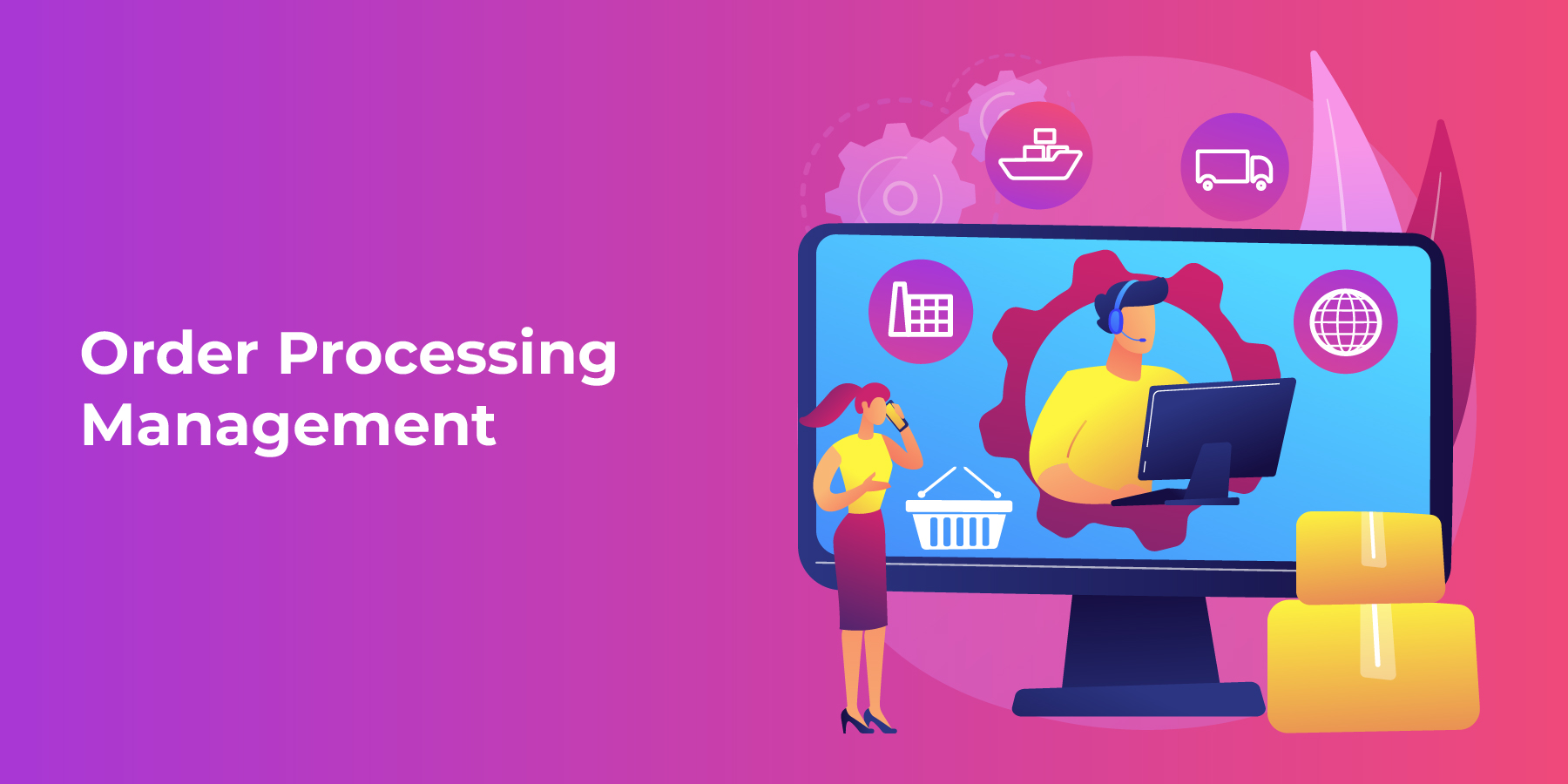
Order management is a crucial business operation process involving receiving, tracking, and fulfilling customer orders. It starts when an order is placed and continues until the customer gets the package. Businesses often rely on an order processing management system to efficiently handle this process. This system is a centralized hub where all customer orders can be viewed and managed in one place.

It allows businesses to track the entire journey of a customer order, from the initial purchase to the final delivery, and even handles returns if necessary. An order management system automates and organizes all the required steps to ensure customers receive their orders on time and in excellent condition. By implementing effective order processing management practices, businesses can provide a seamless and satisfactory customer experience.

Six Essential Steps of Order Management

1. Placing an Order

Step one begins when a customer places an order. Orders can come from various locations and channels, making it necessary to streamline the process on the backend. Businesses often utilize a multi-channel order processing management or omnichannel fulfillment tool to achieve this. This tool automatically transfers relevant information from the e-commerce store to the order processing management system.

2. Fulfillment Center Receives the Order

Once you place an order, it transfers the relevant information to the fulfillment center. It is where the processing of the order begins. The fulfillment center becomes responsible for managing the order and ensuring its timely fulfillment.

3. Picking the Order

Picking refers to the order processing management step of following a picking list or order details to locate and retrieve the products from the available inventory. Delivery personnel then deliver these products to a designated packing station. Many fulfillment centers employ dedicated warehouse picking teams or individuals, known as pickers, who specialize in efficiently picking and gathering the required items for each order.

4. Packaging the Order

The order goes through the packaging process. Once the order reaches the packaging area, packaging personnel carefully package the order to minimize the dimensional weight while still providing adequate protection to the products. Packaging is crucial in ensuring the items arrive in good condition and reduces the risk of damage during transportation.

5. Packaging the Order

The packaged order is ready for shipment. After adequately packaging the items, shipping personnel ships them to the customer. Carriers typically pick up the orders directly from the warehouse of the third-party logistics (3PL) provider. Each order is assigned a unique tracking number. Once the customer receives the tracking number, they can track the order. This tracking number allows customers to monitor the status of their orders at every stage of the delivery process, providing them with visibility and peace of mind.

6. Delivery to the Customer

Delivery to the end customer is the last step. The final stage of the order processing management cycle is when the customer receives the ordered items. However, it's essential to assess whether the customer received delivery of the correct items within the promised timeframe.

If the order processing management has been well-executed and efficient throughout the entire cycle, the likelihood of accurate and timely deliveries significantly increases. Ensuring that the correct items are delivered promptly contributes to customer satisfaction and helps to build trust and loyalty.

Benefits of Order Processing Management

Increases Customer Satisfaction

Staying in constant contact with loyal customers is crucial as it allows businesses to understand why customers keep returning to their online stores. This communication helps identify factors that contribute to customer loyalty and enables enterprises to enhance the overall lifetime value of each customer.

Additionally, measuring and analyzing the order management process is vital. It provides a holistic view of the e-commerce logistics process by tracking key performance indicators (KPIs). By monitoring these strategic KPIs, businesses can identify areas for improvement, increase customer satisfaction, and reduce costs, all while scaling their operations.

Avoid Overstocking and Understocking

Attempting to fulfill every single order as your business grows can be overwhelming and may lead to falling behind. Accurate order processing management addresses this challenge by solving problems such as overstocking and understocking. Overstocking ties up cash and incurs storage costs while understocking may result in customer wait times, lost sales or customers turning to competitors.

An order management system ensures businesses maintain optimal inventory levels, preventing stockouts and excess inventory. It keeps the business profitable and customers satisfied.

Reduces Human Error with Large Volumes

Accurate order management helps minimize mistakes in fulfilling orders. As an e-commerce business expands, the volume of orders received increases, potentially leading to human errors. Implementing a streamlined order management system reduces human error through automation and synchronization.

Simplifies Order Analytics

It provides reliable information for data-driven decision-making, essential when dealing with large volumes of data scattered across multiple platforms. Order processing management systems consolidate sales order data in one place, simplifying analysis and facilitating informed decision-making.

Reduces Wastage of Time

By optimizing order processing management, businesses can minimize wasted time and focus on more strategic activities like product development and brand-building. A well-implemented order management system streamlines processes, reduces errors, and improves efficiency. It ensures reliable and timely order fulfillment, enhancing customer satisfaction and driving business success.

Outsourcing Order Processing Management

You can streamline your order management process by outsourcing fulfillment to a reliable eCommerce solution like WOW. You can connect your store, import product information, and sync inventory seamlessly. Every order is automatically assigned to the most strategic fulfillment center based on inventory and location, while you can track progress and provide customers with order tracking numbers. Discover how a partnership with an efficient order management system can help grow your business.

Conclusion

Order processing management is critical to receiving, tracking, and fulfilling customer orders. By utilizing an order management system, businesses can streamline operations, automate processes, and enhance the customer experience. The six steps of the order management cycle, from order placement to item delivery, play a crucial role in achieving this.

If you seek reliable and efficient order maintenance services, your search ends with WOW. With their expertise in order management, WOW offers top-notch solutions to streamline your operations and ensure a seamless customer experience. Trust WOW to handle your order maintenance needs and enjoy the benefits of their exceptional services.

This blog is inspired by the video, ‘Order Management Explained’ by ‘ShipBob.’

Inventory Management Explained: Objectives, Types and Process

Inventory Management Services

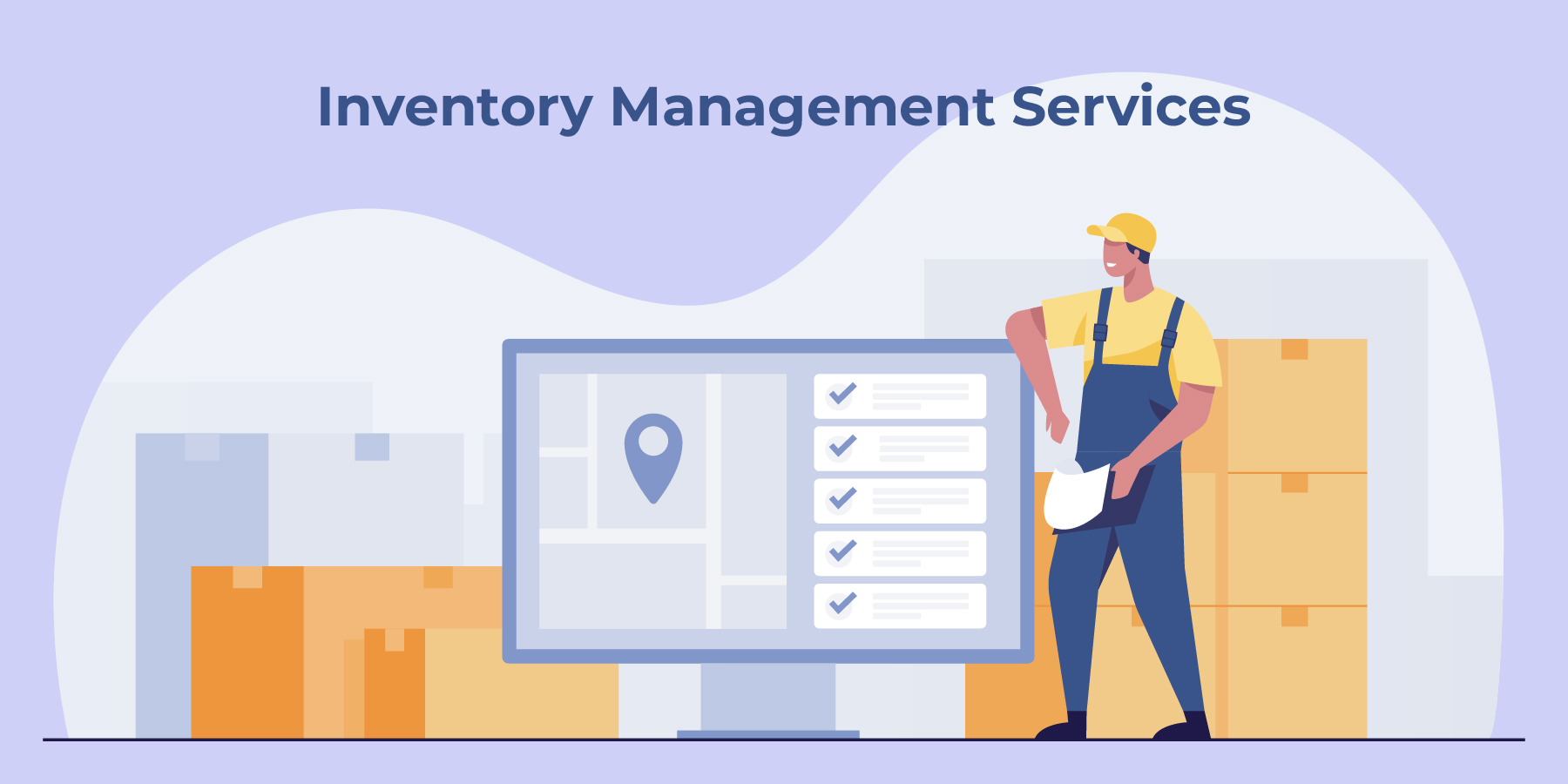
Inventory management services are a crucial aspect of business operations that involves overseeing and controlling the flow of goods from raw materials to customer delivery. It is the process of efficiently managing and tracking a company's inventory, ensuring that the right products are available at the right time and in the right quantities. Effective inventory management plays a vital role in the success and profitability of businesses across various industries.

Efficient inventory management services are crucial for businesses to achieve smooth production processes, reduce inventory costs, meet customer demand efficiently, minimize lead times, and optimize their supply chains. By implementing sound inventory management practices, businesses can improve operational efficiency, drive profitability, and gain a competitive edge in the market.

Objectives of Inventory Management

1. Ensuring Smooth Production Process

Inventory management aims to ensure a smooth production process by maintaining an adequate supply of raw materials and components. Inventory management services start from raw materials and extend to customer delivery.

By having the right inventory levels on hand, businesses can prevent disruptions in production, minimize downtime, and avoid delays in fulfilling customer orders. This objective focuses on optimizing the availability of necessary inventory to support uninterrupted manufacturing operations.

2. Reducing Inventory Costs

The transcript briefly mentions "reducing the inventory's foreign," indicating the goal of inventory management services to minimize inventory costs. Inventory carries associated expenses such as storage, insurance, and obsolescence. Effective inventory management strategies aim to strike a balance between holding enough inventory to meet customer demand and avoiding excessive stock levels.

By optimizing inventory levels, businesses can reduce holding costs, improve cash flow, and minimize the risk of obsolete inventory. This objective emphasizes cost efficiency and maximizing the return on investment in inventory.

3. Meeting Customer Demand Efficiently

Meeting customer demand is a critical objective of inventory management services. By accurately forecasting customer demand and maintaining optimal inventory levels, businesses can ensure timely order fulfillment.

This objective underscores the importance of having the right products in stock when customers require them, minimizing stockouts, and enhancing customer satisfaction. Meeting customer demand efficiently leads to improved customer loyalty, increased sales, and a positive brand image.

Types of Inventory Management

1. Just-in-Time (JIT) Inventory Management

Just-in-Time is a type of inventory management that focuses on receiving inventory only when it is needed for production or customer orders. JIT aims to minimize inventory holding costs by maintaining minimal inventory levels and relying on efficient coordination with suppliers to deliver materials precisely when required. The benefits of JIT inventory management include reduced carrying costs, improved cash flow, minimized waste, and increased operational efficiency.

2. ABC Analysis

Although not mentioned in the transcript, ABC analysis is a popular method used in inventory management services to categorize items based on their value and importance. This method classifies inventory into three categories: A, B, and C. Category A includes high-value items that represent a significant portion of the inventory's value but a relatively small portion of the total quantity. Category B consists of moderately valued items. Category C includes low-value items but with a higher quantity. This classification helps businesses prioritize their inventory management efforts and allocate resources accordingly.

3. Economic Order Quantity (EOQ)

EOQ is a mathematical formula used to determine the optimal order quantity that minimizes the total cost of inventory management services. EOQ takes into account factors such as carrying costs, ordering costs, and demand rates to find the quantity that balances ordering and holding costs. The benefits of EOQ include minimizing inventory holding costs, reducing stockouts, and optimizing order frequency to maintain cost-efficient inventory levels.

The Process of Inventory Management

1. Stock Replenishment

Maintaining optimal stock levels is crucial in inventory management services. It ensures that businesses have enough inventory to meet customer demand without excessive carrying costs of stockouts. Managing inventories from raw materials to customer delivery is important.

Strategies for timely and efficient stock replenishment may include using automated inventory monitoring systems, setting up reorder points, establishing relationships with reliable suppliers, and implementing just-in-time (JIT) or vendor-managed inventory (VMI) systems.

2. Excess Inventory Reduction

Excess inventory can have negative consequences for businesses, such as increased carrying costs, the risk of obsolescence, and decreased cash flow. Techniques for identifying and reducing excess inventory may involve conducting regular inventory audits, implementing demand forecasting and planning, using sales and promotional strategies, offering discounts or incentives for slow-moving items, and establishing effective inventory control measures.

3. Framing Appropriate Inventory Levels

Determining appropriate inventory levels requires careful consideration of various factors. Factors to consider when framing appropriate inventory levels include customer demand patterns, lead times, seasonality, production capacity, cost considerations, and desired service levels.

Methods for establishing optimal inventory levels may involve using mathematical models like Economic Order Quantity (EOQ) or reordering points, employing ABC analysis to prioritize inventory items, utilizing technology-driven inventory management systems, and conducting regular performance analysis and adjustment.

Significance of Inventory Management in Supply Chain Optimization

1. Impact of Efficient Inventory Management on Overall Operations

Efficient inventory management services positively impacts various aspects of overall operations. By maintaining optimal inventory levels, businesses can reduce stockouts, prevent production delays, and ensure smooth operations. This leads to increased productivity, minimized downtime, and improved customer satisfaction.

Effective inventory management also enables businesses to streamline processes, improve resource allocation, enhance order fulfillment, and achieve better coordination with suppliers and other stakeholders.

2. How Inventory Management Contributes to a Balanced Supply Chain

Inventory management is a critical component of achieving a balanced supply chain. It involves maintaining the right amount of inventory at each stage of the supply chain, from suppliers to manufacturers to distributors. By effectively managing inventory levels, businesses can minimize bottlenecks, reduce excess inventory, and improve demand-supply alignment.

Inventory management contributes to supply chain optimization in the following ways:

  • Improved Demand Forecasting: By accurately forecasting customer demand and aligning it with inventory levels, businesses can minimize stockouts and avoid overstocking. This helps in meeting customer demand efficiently and reducing order lead times.
  • Efficient Resource Utilization: Proper inventory management services ensure the efficient use of resources, such as warehouse space, labor, and transportation. It helps in optimizing storage capacity, reducing handling costs, and maximizing operational efficiency.
  • Cost Reduction: By minimizing inventory carrying costs, obsolescence, and stockouts, businesses can achieve cost savings. This allows for better financial management and increased profitability.
  • Enhanced Collaboration: Effective inventory management services foster collaboration and communication between different entities within the supply chain. This includes sharing demand forecasts, coordinating production schedules, and implementing efficient order fulfillment strategies.
  • Improved Customer Satisfaction: By maintaining optimal inventory levels, businesses can fulfill customer orders promptly, minimize backorders, and ensure product availability. This leads to improved customer satisfaction, repeat business, and a positive brand reputation.

Conclusion

By implementing sound inventory management strategies, businesses can achieve a competitive edge in the marketplace. Efficient inventory management services ensure smooth production processes, reduce costs, meet customer demand promptly, and contribute to overall operational efficiency. It helps businesses maintain optimal inventory levels, avoid stockouts and excess inventory, and streamline supply chain operations.

With Wow Customer Support inventory management services can help you plan your inventory better to ensure you can fulfill orders promptly. By outsourcing inventory management services to us, you can keep your store open 24/7.

This blog is inspired by the video “What is Inventory Management | Objectives | Types | Process | Explained in Detail” by “Study Practically.”

Understanding the Differences Between Call Center Software and Contact Center Software

Call Center Solutions

Effective communication plays a pivotal role in the success of any business. Choosing the right software to manage your business's communication needs is essential for seamless customer interactions and efficient operations.

In today's blog, we will delve into the key differences between call center solutions software and contact center software. Understanding these distinctions will help you make an informed decision and select the most suitable solution for your organization.

Definition and Focus of Call Center Solutions Software

Call center solutions software is designed specifically for managing voice-based communications. It is primarily focused on inbound and outbound voice calling, as well as VoIP call management. With features such as call recording, interactive voice response (IVR), and call queueing, call center solutions software streamlines telephone-based interactions. It is commonly used by industries that heavily rely on outbound telephone communications, such as telemarketing firms, collection agencies, nonprofits, and political campaigns.

Definition and Omnichannel Nature of Contact Center Software

In contrast, to call center solutions software, contact center software takes a broader approach by offering an omnichannel communication experience. It enables businesses to connect with customers through various channels beyond voice calls. These channels include live website chat, video calling, email, social media messaging, and SMS texting.

Contact center software provides a unified platform where agents and customers can engage seamlessly across multiple communication channels. It is especially popular among service-based businesses, healthcare providers, and e-commerce websites that prioritize offering diverse contact options to their customers.

User Base and Target Industries

Call center solutions software caters to industries that heavily rely on outbound telephone communications to make sales or raise awareness. These industries benefit from features like automated dialers, call routing, and natural language processing. On the other hand, contact center software appeals to service-based businesses, healthcare providers, and e-commerce websites that require a balanced mix of inbound and outbound communication.

These businesses strive to provide fast responses without compromising customer service quality. The ability to let customers choose their preferred communication channel is a key requirement for contact center software. Additionally, contact center software often integrates with customer relationship management (CRM) systems, enabling seamless data synchronization and enhanced customer interactions.

Metrics Tracked and Analyzed

Call centers and contact centers both track metrics to measure performance and customer satisfaction. Call centers focus on metrics such as average hold times, first-call resolution rates, and cost per call. These metrics help evaluate the efficiency and effectiveness of resolving customer issues promptly.

In contrast, contact centers analyze customer satisfaction rates by channel, considering the unique characteristics and challenges of each communication channel. Essential contact center metrics include the ratio of inbound to outbound contacts, average handling time across channels, and the cost associated with different types of contacts.

User Experience and Prioritization

Call center solutions software prioritizes mobility and flexibility to meet the needs of agents who handle voice calls. Features like call transfer and hot desking enable agents to seamlessly transfer calls between devices and work while on the move.

On the other hand, contact center software focuses on unifying communication channels into a single interface. This allows teams to avoid the hassle of switching between numerous tabs and applications, improving efficiency and streamlining workflows. By providing a consolidated view of all communication channels, contact center software enables agents to provide a consistent and personalized customer experience across different channels.

Conclusion

Choosing the right software for your business's communication needs is crucial. Call center solutions software is tailored for voice-based communications and is favored by industries heavily reliant on outbound telephone communications. Contact center software, on the other hand, offers an omnichannel experience, supporting various communication channels beyond voice calls. It is widely used by service-based businesses, healthcare providers, and e-commerce websites.

Understanding the distinctions between these two software types will help you make an informed decision and select the software that aligns with your organization's objectives and customer communication preferences.

Wow Customer Support will handle all customer queries and queries to enhance their shopping experience with your brand. By choosing our customer-centric approach services, we can ensure that you can retain your customers.

This blog is inspired by the video: “Contact Center vs Call Center Software - Definitions, Comparisons & Which Is Best” by “GetVoIP Expert Tutorials, Reviews, Top Providers.”

Top Customer Service Events to Check This 2023

Customer Service Events

Are you looking to improve your company's customer service skills and stay on top of the latest industry trends? Attending customer service events can provide you with valuable insights and networking opportunities.

The importance of good customer service cannot be overstated. Providing excellent service can increase customer satisfaction, loyalty, and profits. As such, companies must stay updated with the latest customer service trends and techniques.

To improve your company's customer service skills, attending industry events can be a great way to gain knowledge and connect with like-minded professionals. This article will introduce you to some top customer service events to check out in 2023. Whether you're a seasoned customer service professional or just starting in the industry, these customer success events offer something for everyone.

Why Attend These Top Customer Service Events in 2023?

Attending the top customer service events in 2023 can provide several benefits for individuals and businesses interested in improving customer service strategies and outcomes. Here are some reasons why you may want to consider attending:

  • Networking opportunities: These events bring together professionals, industry experts, and thought leaders from various sectors of the customer service industry, providing you with ample opportunities to network and make valuable connections.
  • Learn about emerging trends and best practices: Customer service is a rapidly evolving field, and attending these events can help you stay up-to-date with the latest trends, technologies, and best practices that can improve your customer service performance.
  • Access to industry experts and thought leaders: Many events feature keynote speakers and sessions led by industry experts and thought leaders. These individuals can provide valuable insights, tips, and strategies to help you enhance your customer service skills and knowledge.
  • Exposure to new tools and technologies: Many customer service events showcase new tools and technologies that can help you streamline your processes, improve your customer service operations, and enhance your overall customer experience.
  • Professional development opportunities: Many events offer workshops, training sessions, and certification programs to help you develop new skills, advance your career, and earn industry credentials.

2023 July

Consumer Exchange

On July 11 and 12, 2023

Location: London, UK

The CX Share for Retail, the yearly gathering of customer success events for the most senior figures in the retail business to meet, share ideas, network, and learn about the most recent products on the market, is in its tenth year.

Speakers include Magnus Holst, global head of retail experience at Polestar, and Suzanne Calder, customer loyalty lead and emotional engagement specialist at New Look.

2023 September

Awards for European Customer Centricity

The dates are September 15–16, 2023.

Where: Online

The third annual European Customer Centricity Awards feature an exciting program and award presentation. Excellent customer service is required for these customer experience events.

The 5th of May, 2023, is the registration deadline for the 2023 awards!

2023 October

CCW Summit in Europe

From October 9 to 11, 2023

Where: The Netherlands, Amsterdam

The CCW Europe Summit is CCW's signature customer service conference, featuring an expo, an engaging stage program, and numerous chances for one-on-one networking. The Customer Service Summit brings together specialists from various industries and European regions with more than 300 customer service executives.

2023 November

Summit on Digital Customer Experience

November 7-8, 2023

Where: Canada's Toronto

Leading digital solutions are offered to the greatest names in customer experience at the Digital Customer Service Summit. They can obtain strategically relevant knowledge in a setting that encourages long-lasting business relationships.

Previous speakers have included Markus Sturm, SVP & Head of Digital Loyalty and Consumer Goods at Tim Hortons, and Michael Aronowitz, Executive Vice President of Digital Sales & Strategy at Teleperformance.

UNLEASH CX

November 7-8, 2023

Where: The Netherlands, Amsterdam

Join the cross-industry customer success events Unleashing Digital Customer Experience for the eighth time to take advantage of a once-in-a-lifetime chance to learn insightful lessons from the best corporate innovation executives.

Speakers include Leendert Van Der Plas, Head of Customer Experience at The HEINEKEN Company, and Derek Lewis, CX Strategy Director at Talkdesk.

Asia Week for Customer Experience

From November 20 to 23, 2023

Location: Singapore

The Singapore Sands Expo & Convention Centre will host CX Asia Week in 2023. The 11th CX Asia Week is still the premier event in Asia for bringing together CX leaders to discuss cutting-edge, disruptive business and customer experience initiatives.

Yahoo, Foodpanda, Colgate-Palmolive, and others are examples of previous partners from 2022.

Wrapping Up

Attending customer service events can help businesses and individuals stay up-to-date with the industry's latest trends, best practices, and technology. The year 2023 offers a range of exciting customer service events, including conferences, expos, and summits. These events bring experts, thought leaders, and practitioners from various sectors to share their insights and experiences in providing excellent customer service.

Participants can network, learn new skills, and gain fresh perspectives on improving their customer service operations by attending these events. Whether you are a business owner, manager, or customer service professional, there is an event that can help you take your customer service game to the next level.

The Future of Customer Service: 2023 Predictions for Omnichannel Support

Customer Service Future Prediction

Do you ever wonder what the future of customer service will look like? With technological advancements and the rise of the gig economy, it takes time to predict precisely what's in store. However, experts believe that one trend will become increasingly important: omnichannel support.

With the rise of online shopping and social media's popularity, customers expect more seamless and personalized support across multiple channels. Companies realize that they need to adapt to this trend to stay competitive.

So what exactly is omnichannel customer support, and how will it shape the future of customer service? In this article, we'll explore the basics of omnichannel customer support and make predictions for the future of customer service in 2023. Whether you're a customer looking for the best help or a company trying to stay ahead of the game, this article is for you.

1. Social Media Demands Will Boost

Do you know that 54% of people have a more favorable opinion of a brand when they respond to customer queries or concerns on social media? That is a lot. Additionally, since many consumers enjoy receiving comments on social media, customer support specialists will keep adjusting to accommodate this need.

Businesses won't just rely on social media for advertisements in the future. The new viral promotions will focus on active social listening and quick replies to client questions and problems.

What impact has such publicity had? Happy clients begin to spread the word, additional clients start to like and comment, and the business gains free exposure to new prospects who spend 144 minutes daily on social media and messaging platforms. Meeting customers where they spend more than two hours daily—on social media—will become standard practice in the future.

2. Customer Support Across All Channels Will Become Standard

Nowadays, consumers interact with brands using a variety of channels. In actuality, 67% employ three or more channels. While some of your consumers are researching your services on social media, others may decide whether or not they want to use them after reading reviews on online review sites.

Additionally, these clients wish for channel changes to be smooth. They want to interact with your brand smoothly.

Therefore, it is no surprise that a survey by Adobe reveals that businesses that offer excellent omnichannel consumer experiences see 10% annual growth and a 25% boost in conversion rates.

Why Is Omnichannel Customer Service Successful?

Your company can do away with communication silos that could compromise the integrity of your brand by offering omnichannel customer service. For instance, a consumer could talk about a problem on your website. If unsatisfied, they might speak once again on social media. An omnichannel experience enables you to pull the prior customer engagement from your website, social platforms, email, and more into one screen rather than having the customer repeat what they said during their web chat. In other words, you pick up where clients left off in the conversation, which improves their experience.

3. AI And Bots Will Support Customer Support Specialists

AI can now decipher feelings in open texts thanks to recent advancements in machine learning-based NLP. For instance, AI can automatically create a service request from a negative customer review on a review website. Customer care representatives could turn negative feedback into pleasant experiences by acting quickly.

Also, bots? When they can't, for example, when the customer support specialist is asleep or unavailable, they can still function. Additionally, they enhance client self-service and cut costs for business owners. How? by offering a simple, consistent way of handling similar consumer requests.

Bots and AI will continue to advance. Customer support specialists, however, are concerned that their position may need to be updated. Will parts in customer service become obsolete? Naturally not. They will remain valuable as always, adjust to technological advancements, assume roles related to customer success, and support customers in using the goods or services they sell.

4. Customer Service Will Evolve Towards Greater Personalization

Businesses receive a lot of personal data from consumers. They anticipate that firms will use their data to offer personalized experiences in exchange. This is supported by research from Epsilon, which found that 80% of customers desire individualized services.

Long into the future, customized assistance will remain popular, especially as customer support tools advance in intelligence. Customer care representatives will be able to access a customer's most recent engagements thanks to improvements in these support systems, giving their interactions with them a more personalized touch. Online and offline interactions differ significantly in terms of personalization.

By knowing and displaying a customer's preferences based on their browsing history, support workers can tailor a customer's online experience. Offline, this might be a customer support specialist that converses with clients via live audio messages instead of impersonal, automated communications. A hotel wake-up call is one illustration.

Offering individualized services sounds like a smart move. However, how does it affect your revenue?

Econsultancy reports that 80% of businesses have improved since introducing personalization. Additionally, companies adopting advanced personalization claim a $20 return on every dollar invested.

5. Customer Service Experts Will Be In Great Demand

Customer support specialists will evolve their roles to adapt to new platforms and channels. They can develop skills and carve out unique niches within the field, like social media support or onboarding. Social media specialists need deep platform knowledge and communication skills while onboarding specialists must have strong organization and communication skills. With the proper training and experience, customer support specialists can excel in specific areas, leading to more fulfilling careers while helping companies meet customer needs.

Wrapping Up

Client service has a bright future, particularly for business owners who wish to leverage technology to increase revenue and client retention. Greater efficiency is provided through technological development and specialized customer service teams. This frees up business owners' time to concentrate on their customers while allowing them to worry less about routine administrative responsibilities.

Even when you can't be reached, the team of expertly trained customer support specialists at Wow Customer Support is committed to giving your clients a satisfying experience. We take care of taking calls and setting up appointments so you can concentrate on expanding your marketing reach, giving your customers excellent service, and eventually growing your business.