
Tech Support: Why Is It Crucial for Your eCommerce Business?

Tech Support

Running an eCommerce business today is not for the faint-hearted. The digital world spins fast. New technologies rise before the old ones fade. Each innovation brings both promise and pressure. To stay competitive, companies must serve customers smarter, faster, and safer.

The eCommerce industry, in particular, faces a cluster of challenges. There are staff shortages, client dependencies, complex integrations, and the never-ending chase for customer satisfaction. Add to that data safety and privacy. And of course, you have the never-sleeping digital infrastructure that demands regular care.

This will make you think that ecommerce technical support services are meant only for large enterprises? Not at all. Even small and mid-sized businesses can benefit from ecommerce tech support. These services ensure smooth operations, better uptime, and superior customer experience.

Did you know that the global e-commerce outsourcing market was valued at about USD 12.18 billion in 2024, and is projected to reach USD 13.7 billion in 2025, with a CAGR of ~11.1% for 2025-2034.

Outsourcing your ecommerce technical support can be the smartest move you make this year. Let’s understand why.

Table of Contents

Implementing the Right Solution

Cutting Down Expenses

System Maintenance

Monitoring Usage

Security and Safety with Tech Support

24×7 Outsourced Tech Support

High Client Satisfaction

FAQs

Outsourced Tech Support: The Final Thoughts

eCommerce Technical Support

Implementing The Right Solution

For small businesses, staying updated can be overwhelming. They have to deal with the latest hardware, security software, and network management systems. That’s where ecommerce technical support outsourcing becomes valuable. These professionals understand the pulse of the digital world.

They help businesses find the right tools. Be it for data handling, website security, or AI-driven customer interactions, they have the solutions. The ecommerce technical support call center can also recommend systems that fit both your budget and your growth pace. They ensure all pieces of your digital setup work together seamlessly and securely.

Cutting Down Expenses

Budget is often the biggest wall between dreams and reality. But outsourcing ecommerce technical support breaks that wall gently. Instead of building an in-house team, you can subscribe to these services. You get  experts to handle your tasks, and it cuts costs dramatically.

You do not have to deal with interviews, training sessions, and long-term salaries. You get expertise on demand. This model allows companies to invest more in scaling their business while being confident that their operations are stable and smooth. In the end, ecommerce technical support services maximize efficiency. They reduce downtime, and let you focus on growth.

eCommerce Technical Support

System Maintenance

Even the most advanced infrastructure is useless without maintenance. Regular updates, bug fixes, and system checks keep an eCommerce store alive. With e commerce technical support, you gain access to specialists. They maintain your existing setup and introduce the latest technologies suited for your niche.

Their proactive approach ensures you stay in tune with current tech trends. With services from the best technical support companies on your side, you won’t have to chase updates. They’ll already be there, fine-tuned and optimized for your store’s needs.

Monitoring Usage

Human errors are unavoidable. But consistent monitoring can reduce their damage. A team specializing in ecommerce technical support outsourcing can track system performance. They can detect potential breaches and educate staff about responsible tech usage.

They watch over your digital environment. This helps prevent downtime and keeps your eCommerce operations running without interruption. With their help, you’re safe and also informed and prepared for anything the web throws your way.

Security and Safety with Tech Support

In eCommerce, your entire business runs on data. There are the customer details, payment records, inventory information, and more. In today’s world, cyber threats lurk everywhere. They are waiting for one weak password or outdated firewall.

Why is technical support important? This is the question every eCommerce owner must ask. Technical support specialists secure your system and help set up antivirus tools. They encrypt networks and strengthen data privacy.

Be it in-house or 24/7 ecommerce technical support outsourcing, having a vigilant tech team means your brand reputation and customer trust remain untouched.

24×7 Outsourced Tech Support

The internet never sleeps. Neither should your support system. With 24/7 ecommerce technical support outsourcing, your online store is protected around the clock. There is no downtime, delayed responses, or technical confusion.

Professional tech teams monitor your servers and detect issues instantly. They resolve them before your customers even notice. They fix problems and more importantly, prevent them.

Ecommerce technical support ensures seamless operations and better performance metrics. The outcome? A business that feels alive all day, every day.

High Client Satisfaction

Customers love reliability. When they know their data is safe, they trust your brand more deeply. According to the New York Times, 73% of tech support managers believe customer queries are becoming more complex. This is because users have grown tech-savvy.

To meet this challenge, companies need the backing of ecommerce technical support call center professionals. They ensure every system runs smoothly, be it  secure payment gateways or fast-loading web pages.

They simplify communication, solve issues faster, and elevate service quality. The result is an increase in satisfaction, loyalty, and what follows is conversions.

FAQs

1. Why is technical support important for eCommerce businesses?

It helps maintain operational efficiency and ensures system safety. Customer trust is kept intact by resolving technical challenges on time.

2. What is ecommerce tech support?

It involves specialized technical services. These experts assist in managing and maintaining eCommerce platforms, software, and customer interfaces.

3. Can small businesses benefit from outsourcing ecommerce technical support?

Absolutely. It reduces expenses and improves reliability. It also opens up doors to experts without hiring full-time staff.

4. What are the benefits of 24/7 ecommerce technical support outsourcing?

It guarantees constant monitoring and faster resolutions. It protects from downtime and cyberattacks at any hour.

5. How do I choose the best technical support companies?

Look for expertise, service coverage, and quick response time. Proven experience in handling eCommerce platforms is also important.

Outsourced Tech Support

Outsourced Tech Support: The Final Thoughts

In the eCommerce world, every click, every second, and every byte counts. Ecommerce technical support services keep your business in motion. These services keep you company safe, smart, and steady.

From small retailers to growing digital brands, outsourcing ecommerce technical support gives you the backbone to scale fearlessly. Cybersecurity, server uptime, and every such aspect benefits from a dedicated tech team that’s ready before trouble even knocks.

So yes, technical support isn’t optional. It’s the core of your system  that keeps your eCommerce journey moving smoothly.

Need Reliable eCommerce Tech Support?

Partner with WOW Customer Support, one of the best technical support companies offering customized ecommerce technical support services for businesses of all sizes. Let our experts monitor, secure, and optimize your tech operations—24/7.

Get Started with WOW Customer Support!

Suggested Reads

10 Valid Reasons To Outsource Inbound Call Center Services

Outsource Inbound Call Center Services

Call center outsourcing has rapidly gained traction as companies across the globe lean on professional BPOs to manage customer communication channels with precision. Handling calls, emails, webchats internally demands infrastructure. It needs technology, training and ongoing management. And all of that costs a lot. That’s why more Fortune 500 enterprises and government agencies now prefer to outsource inbound call center services. It is a lot easier than juggling the in-house complexities.

Inbound call center services exist for one simple purpose. The purpose is to manage incoming customer calls efficiently. Trained agents handle every query and solve issues. They ensure that every call reflects the brand’s professionalism. Typically, an inbound call center service provider offers teams of agents, advanced systems, and data tools to manage this process.

But why should your business consider inbound call center outsourcing? What exactly are the hidden benefits of letting experts take over your customer touchpoints? Let’s look closer.

Table Of Contents

1. 24×7 Service For Your Customers

2. Offers Flexibility And Scalability

3. Stability And Attractive IT Policies

4. Expert Support Staff And Management

5. Focus On Core Operations

6. No Capital Investments

7. Access To The Latest Technology And Tools

8. Eliminates Staffing Issues And Increases Continuity

9. Detailed Reports On Data Analytics

10. Utilize Currency Exchange Rate Difference

FAQs

Wrapping Up On Inbound Call Center Services

Inbound Call Center Services

1. 24×7 Service for Your Customers

Customers are shopping at every hour, especially in global markets. Businesses today need voices that answer at all hours. When you outsource inbound calls, you unlock a 24×7 support cycle. This kind of support ensures not a single query is missed.

Companies in North America and Europe find it beneficial to outsource inbound call support to India. This is due to the time zone advantage. The result is round-the-clock service. With inbound support outsourcing, your customers always find help waiting for them, no matter the hour.

Did you know that the global inbound services segment of call and contact-center outsourcing generated USD 57,932.2 million in 2024, and is projected to reach USD 93,810.7 million by 2030 (CAGR ~9 %).

2. Offers Flexibility and Scalability

Workloads fluctuate. Seasons bring unpredictable call volumes. Some days are calm, others chaotic. Inbound customer service outsourcing gives you flexibility to expand or scale down without staffing chaos.

In India, inbound call center projects outsourcing is popular. Providers already have trained resources on standby and are ready to adapt to your demand. That flexibility also saves money and time. These are two assets every business wants to keep a close eye on.

Flexibility and Scalability

3. Stability and Attractive IT Policies

India’s tech ecosystem is built on stability and strong IT governance. The government’s pro-IT stance, tax benefits, and infrastructural support make it quite an ideal hub for inbound call center outsourcing.

When your customers experience consistent service quality, they perceive your brand as dependable. This stability leads to loyalty, and loyalty creates growth. When you outsource, you inherit both efficiency and an ecosystem that thrives on reliability.

Expert Support

4. Expert Support Staff And Management

Behind every successful inbound call is a well-trained expert who knows what they’re doing. Inbound tech support agencies bring years of domain experience. They handle varied industries with ease.

In India alone, millions of English-speaking graduates enter the workforce annually. That means you get language proficiency, cultural adaptability, and professional etiquette, and you get all of these without paying premium local wages. With inbound call center benefits like these, your brand voice becomes quite polished and consistent across all conversations.

5. Focus on Core Operations

Customer support is vital, but it’s not your core operation. When you outsource inbound call center tasks, you reclaim valuable time and energy. Your teams can now focus on innovation, product development, or sales instead of customer engagement.

This separation of focus ensures both quality and efficiency. Your core grows quite stronger while customers stay happy.

6. No Capital Investments

Setting up an internal customer service department isn’t cheap. Office space, software, servers, and training all add up. However, when businesses outsource inbound call center services, they eliminate those heavy investments.

You pay for what you use, nothing more. Providers already have the infrastructure. They give you instant access to advanced tools, optimized call handling, and top-tier performance. All of this happens without quite draining your budget.

7. Access to the Latest Technology and Tools

Every inbound call center service provider invests in sophisticated tools. They need CRM software, AI chatbots, cloud telephony, analytics, and omnichannel support systems. These upgrades are quite expensive for single companies to manage. They come included when you outsource inbound call support.

India’s fast-growing digital transformation ensures that outsourcing partners always stay ahead in technology adoption. They give you world-class tools without capital expenditure.

8. Eliminates Staffing Issues and Increases Continuity

Recruitment. Training. Retention. All these challenges vanish when you outsource inbound call center operations. Providers manage staffing, shift planning, quality monitoring, and performance assessments.

Business continuity improves quite drastically because outsourcing firms guarantee uptime. They ensure 24×7 support and operational consistency so your business never pauses. With inbound support outsourcing, stress simply fades away.

Eliminates Staffing Issues

9. Detailed Reports On Data Analytics

Data is gold in customer service. Outsourcing companies collect, analyze, and interpret call data to enhance performance.

With inbound customer service outsourcing, you get quite detailed analytics. You get real-time dashboards and performance tracking reports. You’ll know your customers better, understand peak hours, query patterns, and even agent productivity. These insights lead to quite smarter decisions and superior service delivery.

10. Utilize Currency Exchange Rate Difference

Here’s the quiet advantage: currency. When Western companies outsource inbound call center operations to India, the cost difference due to exchange rates translates into massive savings. It often results in 60–70% lower costs.

And there’s no compromise on quality. You get premium service from quite highly skilled professionals at a fraction of the domestic cost. That’s the power of global collaboration.

FAQs

1. What are the key inbound call center benefits?

They include 24×7 availability, cost savings, scalability, expert staffing, and enhanced data insights.

2. Why should I outsource inbound calls?

To improve efficiency, cut costs, and ensure customer satisfaction without heavy investments.

3. What do inbound tech support agencies provide?

They offer trained agents, advanced tools, and continuous monitoring to handle customer queries and technical issues efficiently.

4. How does inbound support outsourcing affect business growth?

It frees up internal resources, improves customer experience, and supports business scalability.

5. Can small businesses benefit from inbound call center projects outsourcing?

Yes. It allows access to professional infrastructure and skilled agents without hiring full-time staff.

Wrapping Up

Outsourcing is no longer just a trend; it’s a growth necessity. When you outsource inbound call center services, you gain partners who elevate your brand with care. There is consistency of service and cost-effectiveness.

The benefits go quite beyond savings. You gain focus, flexibility, and flawless service continuity. For startups and enterprise, inbound customer service outsourcing strengthens your connection with customers and builds a foundation of trust.

In today’s fast-moving market, success depends on responsiveness. And that’s exactly what outsourcing delivers. You get timely responses, satisfied customers, and a sharper business edge.

Transform Your Customer Experience With WOW Customer Support

Looking to elevate your customer engagement? Partner with WOW Customer Support, one of the most trusted inbound call center service providers. With expertise in inbound call center benefits, multilingual agents, and 24×7 availability, we help brands create seamless support experiences that delight customers and build loyalty.

Get Started with WOW Customer Support

Suggested Reads

Top 10 Player Support Services for Gaming Companies to Boost Retention

Game Customer Service

Player satisfaction directly influences retention, monetization, and community growth. While game quality and engagement are crucial, the level of support players receive can make the difference between casual engagement and long-term loyalty. According to industry data, 78 % of gamers say that customer support quality directly impacts their loyalty to a game, and more than half will stop playing due to poor support experiences, showing that support strongly correlates with retention, recommendation, and long-term engagement.

Professional player support services for gaming companies ensure that players receive timely, effective assistance across multiple channels. By combining technology, human expertise, and process efficiency, gaming companies can deliver seamless support experiences that keep players happy and invested.

Gaming Companies

This article explores the top 10 player support services for gaming companies and how they can elevate your business. It subtly highlights what a partner like WOW Customer Support can do while offering actionable insights for gaming business owners.

Table of Contents

10 Player Support Services for Gaming Companies

Conclusion

FAQ

10 Player Support Services for Gaming Companies

1. 24/7 Multichannel Support

Today, players expect instant assistance no matter where they are in the world. Offering 24/7 multichannel support means your team is available around the clock across multiple communication channels, including email, live chat, phone, and even messaging platforms like Discord or social media. This ensures that no player feels stranded when encountering issues such as login problems, purchase errors, or technical glitches.

Providing 24/7 support is a strategic necessity rather than a luxury. Because players operate across every time zone, any delay in assistance can quickly translate into player churn and negative brand sentiment. By leveraging specialized outsourcing and integrated CRM systems, gaming companies can provide seamless, multichannel support that keeps players engaged. This proactive approach not only resolves technical hurdles quickly but also fosters the long-term loyalty essential for a game's commercial success.

Key Benefits of Outsourced 24/7 Gaming Support

  • Global Coverage: Eliminates time zone gaps, ensuring players in every region receive immediate assistance.
  • Scalability & Efficiency: Outsourced teams handle high inquiry volumes without overextending your internal staff.
  • Reduced Player Churn: Rapid response times minimize downtime and frustration, keeping players in the game longer.
  • Data-Driven Improvements: Integrating ticketing systems helps identify recurring bugs or gameplay issues to inform future updates.
  • Brand Trust: Consistent, high-quality interactions across multiple channels (chat, email, social) build a reliable reputation.
  • Proactive Engagement: Support agents can address minor concerns before they escalate into major community-wide complaints.

2. Ticket Management and Prioritization

A seamless ticket management system ensures every player inquiry is handled efficiently. Support tickets are automatically categorized and prioritized based on urgency and type, allowing teams to address high-priority issues immediately.

Issue Type Priority Level Action Taken Impact on Player Experience
Account Lockouts Urgent Flagged for immediate resolution Restores access quickly; prevents churn.
Payment Problems Urgent Escalated for rapid troubleshooting Ensures revenue flow; maintains brand trust.
General Queries Standard Queued for structured follow-up Provides clear answers without rushing.
Feature Requests Long-term Logged for development review Makes players feel heard and valued.


Outsourced teams specializing in professional gaming customer support can manage large volumes of tickets effectively, provide detailed reports on recurring issues, and implement workflow optimizations. Well-executed ticket management not only improves player experience but also gives your team actionable insights into common pain points, guiding both game development and future support strategies.

3. Live Chat Assistance

Live chat support provides real-time assistance for players experiencing issues or seeking guidance. Unlike email, which may involve delays, live chat allows players to receive instant help while staying engaged with the game.

For gaming companies, integrating live chat with AI-powered chatbots for simple inquiries ensures quick solutions, while routing complex problems to experienced human agents maintains gaming customer support quality. This dual approach reduces wait times, increases first-contact resolution rates, and improves overall player satisfaction.

Here is a breakdown of the benefits of proactive live chat and its impact on player behavior:

  • Increased Player Loyalty: Immediate and effective assistance creates a positive emotional connection, making players more likely to stick with the game.
  • Revenue Growth: High-quality support directly correlates with a higher likelihood of players making in-game purchases.
  • Organic Advocacy: Satisfied players become brand ambassadors who are more likely to recommend the game to their friends and social circles.
  • Enhanced Real-Time Support: Provides a platform for "just-in-time" help that keeps players from abandoning the game during difficult or confusing moments.

4. Social Media Monitoring and Support

Players often turn to social media to voice concerns, ask questions, or share feedback. Proactive social media support ensures that gaming companies respond promptly and professionally, protecting the brand’s reputation and fostering positive community interactions.

Dedicated support teams monitor platforms like Twitter, Discord, Reddit, and Facebook, quickly resolving inquiries and turning potential complaints into opportunities to impress. Social media monitoring also provides valuable insights into player sentiment, trending issues, and community preferences, which can inform product updates and marketing strategies.

By combining customer support gaming expertise with social listening tools, gaming companies can manage public perception, maintain trust, and demonstrate their commitment to player satisfaction.

5. Player Onboarding Assistance

A smooth onboarding experience is critical to player retention. Onboarding services help new players understand game mechanics, set up accounts, and navigate in-game systems effectively.

Expert player support services for gaming companies provide guided tutorials, FAQs, and interactive help features that reduce confusion and ensure players feel confident from the start. Personalized onboarding creates a positive first impression, making players more likely to engage consistently and explore in-game purchases or premium features.

Additionally, monitoring onboarding interactions allows support teams to identify common stumbling blocks and recommend improvements to game design or tutorial content, ultimately reducing early churn and boosting long-term retention.

6. Technical Troubleshooting Support

Games are complex and can encounter

  • bugs,
  • glitches,
  • or performance issues.

A dedicated technical troubleshooting team helps players resolve these problems quickly and efficiently.

Outsourced support teams trained in gaming customer service outsourcing can diagnose issues, escalate critical cases to developers, and provide clear, step-by-step solutions. Prompt technical assistance reduces player frustration, prevents negative reviews, and keeps the gaming experience enjoyable.

Technical support also includes preemptive measures such as system checks, patch guidance, and compatibility recommendations, ensuring smoother gameplay for all users.

7. In-Game Support Services

In-game support allows players to receive assistance without leaving the game environment. This service can include account management, bug reporting, payment assistance, and instant troubleshooting.

Professional gaming customer support delivered directly in-game improves convenience, response times, and overall satisfaction. Players are more likely to stay engaged when help is integrated seamlessly into their experience, creating a frictionless journey from issue to resolution.

In-game support also collects valuable interaction data, helping teams anticipate common challenges and design better gameplay experiences.

8. Feedback Collection and Analysis

Gathering player feedback is essential for continuous improvement. Support teams facilitate structured feedback collection through surveys, reviews, polls, and sentiment analysis.

Insights from customer support gaming interactions help identify pain points, feature requests, and gameplay trends. This information is invaluable for developers seeking to prioritize updates, refine game mechanics, and enhance overall user experience.

Regular feedback loops not only improve the game but also make players feel heard, fostering loyalty and a sense of community.

9. Fraud Detection and Account Security

Account security is a top concern for players and gaming companies alike. Support teams monitor suspicious activity, respond to security alerts, and guide players through account recovery processes.

Gaming customer support specialists trained in fraud prevention protect both players and company revenue. Proactive security measures, including two-factor authentication guidance and suspicious transaction monitoring, reduce the risk of fraud and enhance trust in your platform.

Secure accounts contribute directly to player satisfaction and long-term retention, making security-focused support a vital service.

10. Dedicated Account Managers

High-value players or key business partners benefit from personalized attention through dedicated account managers. These managers oversee player relationships, coordinate with support teams, and provide proactive engagement to resolve issues before they escalate.

Player support services for gaming companies offering dedicated managers ensure high-touch support, foster loyalty, and drive continued engagement. Personalized service also enables gaming companies to better understand individual player needs, anticipate challenges, and optimize retention strategies.

This full list provides a comprehensive, informative, and engaging overview of essential player support services for gaming companies, demonstrating how each service contributes to player retention, satisfaction, and overall business growth.

Conclusion

Investing in player support services for gaming companies is no longer optional in a competitive market. Each of the services outlined above, from 24/7 support and live chat to technical troubleshooting and in-game assistance, contributes to player satisfaction, retention, and long-term revenue growth.

By leveraging professional gaming customer support solutions, businesses can streamline operations, optimize engagement, and build a loyal player community. For companies looking to scale, outsourcing certain support functions to experienced partners like WOW Customer Support ensures both efficiency and quality without overextending internal teams.

FAQ

1. What are player support services for gaming companies?

Services that help players with issues, questions, or guidance while improving retention and satisfaction.

2. Can these services be outsourced?

Yes, gaming customer service outsourcing provides expert support without hiring in-house staff.

3. Do these services cover in-game support?

Yes, many player support services include assistance directly within the game environment.

4. How do these services improve retention?

Fast, professional, and 24/7 support reduces frustration and keeps players engaged longer.

5. Are these services suitable for startups?

Yes, both startups and established gaming companies can benefit from professional support services.

Your Guide to Omnichannel Customer Service: Connect with Your Customer at Every Touch Point

Your Guide to Omnichannel Customer Service Connect with Your Customer at Every Touch Point

From texting apps and social media messages to video calls and emails, communication today feels fast, open, and quite easy. Customers live in this always-connected world. Naturally, they expect businesses to meet them right where they are. More than that, they expect quite the same speed, clarity, and comfort every time they reach out.

Every day, brands handle many touchpoints across the sales and buying journey. Emails need replies. Chats need answers. Social media messages wait in queues. Calls require time, focus, and quite some patience.

To stand out as a modern brand, you need to be present wherever your customer is. Being available on many platforms can make a difference. But presence alone is not enough. You need to connect the points between the platforms. This means moving beyond a basic multichannel setup and choosing something more connected and thoughtful. This is where omnichannel customer service quietly takes charge.

An omnichannel approach links every interaction into one smooth conversation. Customers do not need to explain their issue over and over again. Brands do not lose important details. The experience feels quite natural instead of broken.

Below is a practical guide to understanding what omnichannel customer service is, how it works, and how to build an omnichannel customer experience that feels human. This should happen even with the use of technology.

Table of Contents

Multichannel And Omnichannel

Mapping The Modern Customer Journey

Empower Customers With Self-Service Options In Omnichannel Customer Support

Integrate AI Into Omnichannel Customer Service

Provide A Smooth Transition Between AI To Agent In Omnichannel Contact Center

Use Data Intelligence To Enhance Omnichannel Customer Experience

Empower Agents To Focus On What’s Important

Communicate On Social Media Channels With Omnichannel Marketing Platform

Offer Round-The-Clock Support

Get A 360-Degree View Of Your Customers

Assign The Right People For The Task In Outsourced Omnichannel Customer Experience Management

Frequently Asked Questions (FAQ)

Conclusion

Multichannel and Omnichannel

Multichannel means using many platforms. Omnichannel means connecting those platforms together.

In a multichannel setup, email, chat, phone, and social media work in quite separate ways. In an omnichannel contact center, all channels are linked. Conversations continue quite smoothly, and details stay intact. Customers feel recognized and remembered. This small change creates quite a strong emotional impact.

Mapping the Modern Customer Journey

Customer journeys today are not quite simple. A customer may browse on mobile, ask a question on Instagram, compare prices on desktop, and complete the purchase after a chat.

Customers expect continuity. They expect brands to know where the conversation started, even if they switch channels.

One broken interaction can stop a sale. One slow reply can push customers away. Creating a smooth experience starts by mapping the customer journey and building systems that support connected conversations across every channel.

Empower Customers with Self-Service Options in Omnichannel Customer Support

Studies show that 76% of customers try to solve problems on their own before contacting support.

Chatbots, knowledge bases, automated replies, and FAQ-driven tools help customers find answers quickly. A chatbot with a smart FAQ system feels quite like a helpful assistant that is always available.

Emails can share useful articles. Chat widgets can suggest answers. The goal is quite simple. Solve issues faster, with less effort.

Integrate AI Into Omnichannel Customer Service

Around 73% of customers say live chat is the most satisfying way to interact with brands.

AI helps brands offer personal experiences at scale. It learns preferences and remembers past actions. In an omnichannel customer service setup, AI works quietly in the background.

AI-powered chatbots and voice assistants can greet customers and answer common questions. Besides, they guide conversations to the right place. The experience feels quite helpful, not mechanical.

Provide a Smooth Transition Between AI to Agent in Omnichannel Contact Center

Nearly 69% of global customers prefer brands that offer proactive and smooth service

Sometimes, customers want to speak to a human. This is common in retail, finance, or sensitive cases. When this happens, the shift from AI to agent must feel quite natural. Customers should not repeat themselves, and information should not just disappear.

In a strong omnichannel contact center, agents see the full history instantly. The conversation simply continues, whether on call, chat, or video.

Use Data Intelligence to Enhance Omnichannel Customer Experience

One bad experience can drive customers away. In fact, one-third of consumers think about switching brands after just one negative interaction.

Data is the quiet strength behind omnichannel success.

Customer behavior, past conversations, preferences, and purchase history help brands respond and perform better. When agents and bots use the same data, replies become quite faster and more accurate. Data turns guesswork into understanding.

Empower Agents to Focus on What’s Important

Not every task needs a human response. Routine requests should be automated, and customer data should be easy to access.

When agents are free from repetitive work, they can focus on empathy and problem-solving. This helps build trust with customers. This improves job satisfaction and lowers burnout.

Technology should support agents, not replace their value.

Communicate On Social Media Channels With Omnichannel Marketing Platform

About 48% of customers expect brands to reply on social media within 24 hours.

Social media is no longer just for promotion. It has become a customer support channel.

An omnichannel marketing platform helps brands manage messages, remove clutter, and reply clearly. Not every message leads to a sale, but every message is a chance to listen.

Offer Round-The-Clock Support

Customers do not follow office hours. Problems can appear quite late at night. Questions can come up on weekends.

Offering 24/7 support builds trust. It reduces frustration and stops issues from turning public. It shows reliability.

When customers know help is always available, they feel confident about returning.

Get A 360-Degree View Of Your Customers

More than 35% of customers expect to connect with the same support agent across channels.

Omnichannel service creates memory. It remembers past actions, preferences, and locations.

This complete view allows brands to respond with confidence.

Assign The Right People For The Task In Outsourced Omnichannel Customer Experience Management

Around 83% of customers feel more loyal to brands that solve issues quickly.

Not every business can build an in-house omnichannel team. This is where outsourced omnichannel customer experience management helps. They have skilled professionals, are available 24/7, and are supported by the right tools. Outsourcing helps brands grow without losing service quality.

Frequently Asked Questions (FAQ)

1. What is omnichannel customer service?

Omnichannel customer service is a service that can connect all communication channels into one continuous experience.

2. How is omnichannel customer support different from multichannel?

Multichannel uses many platforms separately. However, omnichannel connects them into one journey.

3. Why is an omnichannel contact center important?

It keeps conversations consistent, personal, and smooth across channels.

4. Can AI improve omnichannel customer experience?

Yes, AI helps with faster replies, personalization, and smart routing.

5. Is outsourced omnichannel customer experience management effective?

Yes, it offers scale, expertise, and 24/7 support without internal pressure.

Conclusion

Modern customers move fast, and expectations move faster.

To keep up, brands must think beyond channels and focus on connection. Omnichannel service is not just about technology. It is about flow, memory, and care.

When conversations feel connected instead of broken, trust grows quietly, and loyalty follows.

Ready to simplify support while improving customer experience?

WOW Customer Support helps brands deliver smooth, scalable, and human-focused omnichannel customer service. This support is 24/7 and across every touchpoint. Let’s build conversations that never break.

Contact WOW Customer Support today.

Suggested Reads

https://www.wowcustomersupport.com/blog/8-effective-tips-to-find-customer-support-outsourcing-company/ - Practical tips for choosing the right outsourcing partner

https://www.wowcustomersupport.com/blog/the-kpis-that-matter-the-10-metrics-to-measure-your-customer-service/ - Key metrics that define strong customer service performance

https://www.wowcustomersupport.com/blog/winning-strategies-for-game-customer-service-keeping-players-engaged/ - Strategies to retain players through excellent support

https://www.wowcustomersupport.com/blog/how-to-build-a-successful-offshore-team-for-customer-support/ - Steps to create and manage offshore support teams

Top 10 Call Center Trends That Will Make an Impact in 2025 and Beyond

Top 10 Call Center Trends That Will Make an Impact in 2021 and Beyond

If you are part of the call center world, you will know that this is a place that is never still. It is amazing how sharper and sharper the pace gets with every passing day. Digital tools are multiplying. Customers are more vocal today, use many channels, and want faster responses. Thanks to globalization, there are no borders, and support teams now speak across time zones, screens, and channels. This changing rhythm defines the call center industry overview today.

Call centers revolved around phones and scripts earlier. Today, it leans on data, automation, and experience design. Businesses that notice these shifts are able to tide over them and survive longer. Those who ignore them fade quietly. This blog explores the latest and most important trends in call center industry operations. We focus on inbound services, technology, compliance, and customer expectations.

Table of Contents

The Importance Of Cloud-Based Call Center Solutions

Increasing Priority Of Data Security In Call Centers

Data Analytics In Call Center Solutions

Omnichannel Communication

Adoption Of Recall Technology In Call Centers

Social Media Management in Call Centers

Optimization Of Call Center Workforce

A Shift to Remote Working Environment

Implementation of Self-Service Tools In Call Centers

Customer Satisfaction Measurement

Frequently Asked Questions (FAQ)

Conclusion

The Importance Of Cloud-Based Call Center Solutions

Cloud systems are the most important of modern call center technology trends. Businesses are now opting for cloud-based call center solutions. This is mainly because they reduce infrastructure costs. They improve flexibility and deepen security when implemented correctly.

Cloud platforms also allow call centers to scale high without any disruption. Teams can add agents and integrate tools. They can manage peak volumes without physical limitations. This shift also supports call center design trends. Here, agility matters more than physical space.

Another major factor is automation. They use AI-powered systems to take care of repetitive queries. This allows agents to work on more emotional, complex conversations. Cloud-enabled remote work has led to a 77% increase in agent productivity compared with traditional office setups.

These contact center automation trends reduce workload while increasing service quality. As automation grows, managers spend less time firefighting and more time thinking about how to improve customer journeys.

Increasing Priority of Data Security in Call Centers

In today’s world, data is fragile and expensive to lose. Security now dominates call center compliance trends across industries. Customer information passes through multiple systems. There are CRM platforms, analytics tools, cloud storage, and more, and every touchpoint introduces risk.

Regulations around data protection are tightening globally. Compliance is no longer a legal checkbox. It is a trust signal. Strong contact center compliance trends focus on encryption, access controls, secure cloud environments, and internal accountability.

Businesses are not relying entirely on third-party tools. Instead, companies are now investing in secure internal systems. The goal is to protect both customer and operational data. Security today is silent. When done right, customers never notice it. When done wrong, everyone does.

Data Analytics in Call Center Solutions

Data analytics has moved from reports to immediate decisions being taken. It helps predict call volumes, identify bottlenecks, and measure agent performance. This trend sits at the heart of contact center technology trends.

Analytics combined with AI enables intelligent routing, personalized offers, and faster resolutions. Managers can see patterns before problems grow. Decisions feel sharper. There is less guessing and more precise knowledge.

This method decreases associated costs while improving customer satisfaction. It is no longer about collecting data but about using it to give better results.

Omnichannel Communication

Customers do not think in channels. They think in problems. Omnichannel communication allows them to move seamlessly between voice, chat, email, social media, and self-service without repetition.

This is one of the most visible trends call centre teams are adopting. Customers expect consistent speed and manner across every platform. A slow email response after a fast chatbot interaction feels broken.

Omnichannel systems also increase sales opportunities. Conversations do not end when calls do. They continue wherever the customer goes.

Adoption Of Recall Technology In Call Centers

Recall technology is quietly changing operations. Instead of forcing customers to wait on hold, systems schedule callbacks. This reduces frustration. It also improves efficiency.

For inbound call centers, recall tools help manage peak traffic without increasing staffing costs. This trend supports smooth workflows and happier agents. There is less pressure and fewer abandoned calls.

Social Media Management in Call Centers

Social media has become a frontline support channel. More than half of customers prefer interacting with brands through social platforms. Ignoring this space weakens visibility.

Managing social media conversations is now part of core call center design trends. Monitoring sentiment, responding quickly, and resolving issues publicly requires skill and coordination. The reward is trust and speed.

Optimization of Call Center Workforce

Workforce optimization balances cost, technology, and empathy. Automation handles volume, while humans handle meaning. This practice defines the modern new trends in call center industry thinking.

Customers still prefer voice for sensitive issues. They expect the same quality across channels. To meet this demand, businesses invest in training, personalization, and flexible staffing models.

Emerging tools even include immersive experiences and smarter scripting. The goal is simple. It is to make agents effective and make customers feel like they matter.

Shift to a Remote Working Environment

Remote work is no longer experimental. It is operational. Distributed teams reduce overhead costs and expand talent access. This shift is consistent with evolving call center technology trends and flexible staffing needs.

Some companies operate fully remote. Others mix office and home models. Both approaches demand strong digital infrastructure, secure systems, and clear communication standards.

Implementation of Self-Service Tools in Call Centers

Customers want control. Self-service tools give them the power to solve problems quickly. Knowledge bases, chatbots, and automated workflows reduce call volumes while boosting satisfaction.

These tools reflect rising contact center automation trends. When done right, they save time for both customers and agents. When done wrong, they push customers away. Balance is everything.

Customer Satisfaction Measurement

Measuring satisfaction now goes beyond surveys. Businesses track sentiment, behavior, resolution speed, and repeat interactions. Customer satisfaction influences brand loyalty, referrals, and revenue.

Frequently Asked Questions

1. What are the most important call center technology trends today?

Cloud platforms, AI automation, analytics, and omnichannel communication lead adoption are the most important trends.

2. Why are call center compliance trends becoming stricter?

Data security laws and customer privacy demands are increasing globally, and hence, call center compliance trends are becoming stricter.

3. How does automation help contact centers?

It reduces repetitive tasks, lowers costs, and improves response speed.

4. Is remote work suitable for call centers?

Yes, with secure systems, proper training, and performance monitoring.

5. Why is omnichannel support critical now?

Customers anticipate smooth service across all platforms without repetition.

Conclusion

Call centers are no longer cost centers. They are experience engines. Customers judge brands by how they are treated when something goes wrong. As expectations rise, companies need to adjust to the trends call centre environments demand.

From automation to analytics, from security to remote work, the future belongs to call centers that listen closely and move quickly. The tools are ready. The customers are waiting.

Looking to stay ahead of evolving call center trends?

WOW Customer Support delivers reliable, secure, and scalable customer support solutions. We have a trained remote workforce and advanced technologies to help businesses save up to 60% while improving customer satisfaction.

Partner with WOW Customer Support.

Suggested Reads

https://www.wowcustomersupport.com/blog/automation-tools-making-call-centers-more-efficient/ - Explains automation tools that improve speed, accuracy, and efficiency

https://www.wowcustomersupport.com/blog/best-omnichannel-contact-center-softwares-2025/ - Reviews leading omnichannel platforms shaping future contact centers

https://www.wowcustomersupport.com/blog/affordable-call-center-services/ - Discusses cost-effective call center outsourcing models

https://www.wowcustomersupport.com/blog/ai-call-center-services-customer-experience/- Shows how AI improves customer experience in call centers

UG Content Moderation: A Guide To Moderating Users’ Content To Make Your Brand’s Social Media Presence Top-Grade

Content Moderation Services

The Internet is producing content every second. It could be fast, creative, careless, inspiring, and sometimes disturbing. Brands today are not just publishing content; they are hosting it. Images, videos, comments, reviews, reels, opinions, and more are flowing in from users who want to engage with the brand.

This is where moderating user generated content becomes unavoidable. User-generated content can elevate a brand. However, unmanaged content can erode trust, reputation, and credibility. That is why UGC content moderation becomes a daily discipline.

User-generated content moderation, or UGC moderation, is the structured process of reviewing, filtering, approving, or rejecting content submitted by users. By doing so, the brand aligns with platform rules, legal frameworks, and brand values. Freedom to post does not mean freedom from responsibility. Indeed, not all content deserves a stage.

UG Content Moderation

Table of Contents

Is User-Generated Content Important?

Types Of Content Moderation

Frequently Asked Questions

Conclusion

User-Generated Content

Is User-Generated Content Important?

User-generated content speaks when brands stay silent. It is real and raw. It is trusted. Reviews, testimonials, images, and videos created by users carry more credibility than polished ads. This makes user content moderation crucial. This content about what users say becomes what your brand sounds like.

Attract New Users

Some audiences ignore ads and scroll past banners. However, they pause for people. When influencers or everyday users share authentic experiences, they quietly persuade new buyers. UGC travels faster than brand messaging ever could.

Better Rankings In Search Engines

UGC improves discoverability. Users naturally use long-tail phrases, conversational terms, and unexpected keywords. This organic variety helps search engines understand relevance. With proper UGC moderation, this content boosts rankings without risking brand safety.

Makes The Existing Customers Happy

Sharing user content feels like applause. It rewards loyalty and builds belonging. Customers trust customers, and moderated UGC becomes social proof that prods decisions gently, not aggressively.

Make Optimum Use of UGC with Social Media Moderation

Social media moderation filters confusion into clarity. Millions of posts flood platforms daily:

  • Twitter: 500 million tweets
  • Facebook: 350 million photos
  • Snapchat: 5 billion snaps
  • Instagram: 95 million photos and videos
  • YouTube: 500 hours of video every minute

This volume explains why moderating user generated content must be consistent, scalable, and intelligent.

Understand the Customers

UGC reveals patterns people do not plan to show. Emotions often repeat, complaints come back, and praise usually comes in groups. Reviewing moderated content helps brands understand sentiment shifts and hidden expectations.

Up the Quality of Brand Campaigns

Campaigns fueled by moderated UGC perform better. They feel human. But without UGC content moderation, campaigns risk being hijacked by offensive visuals or harmful narratives. Scalable moderation protects creativity without killing it.

Better Online Visibility

Studies show nearly 25% of search results for large brands come from UGC links. But visibility without moderation invites risk. User content moderation ensures that visibility attracts, not repels.

Acts As a Shield to Your Brand and Users

Moderation protects both sides of the screen. It removes hate, violence, harassment, and misinformation. It aligns content with brand ethics while protecting users from bullying and abuse.

Good To Build Better Relations With Users

Featuring user content builds closeness. Edited and moderated properly, UGC feels curated, not censored. This balance creates trust and long-term engagement.

Shape The Purchasing Behavior For Good

Before buying, users read, and they compare. Moderated reviews influence choices. Clean, honest UGC nudges buyers toward confidence and checkout.

Implementing UG Content Moderation

Moderation selects what deserves attention. To do it well, structure matters.

Be Clear About The Rules

Define what is allowed. Be firm with illegal, violent, hateful, or explicit content. Do not erase all criticism. Some negative feedback is feedback, not sabotage.

Outline The Process Of Submission

There are three moderation approaches:

  • Pre-moderation: Content is reviewed before publishing
  • Post-moderation: Content goes live, reviewed later
  • Reactive moderation: Content reviewed only after complaints

Each model serves different platforms. UGC moderation must match speed with sensitivity.

Adhere To Certain Restrictions

Restrictions protect ecosystems. Require user accounts. Limit new-user privileges. Lift restrictions as trust builds. This slows spam and improves quality.

Keep an Eye on Pages with UGC

UGC pages need constant monitoring. Whether in-house or outsourced, user content moderation must be continuous, not seasonal.

Link the Marketing Goals with Great User Experiences

Moderation should support marketing goals, not block them. Best practices include:

  • Clear permission agreements
  • Transparent usage rights
  • Defined submission rules
  • Strong calls to action

Consistency matters. One Australian brand scaled globally using two hashtags and a unified visual style. Moderation kept everything aligned.

Types Of Content Moderation

Human-Based Content Moderation

People understand details, context, and feelings. But it takes effort, and burnouts can happen. And it’s hard to stay fast when there’s a lot of work.

AI Content Moderation

AI scans fast. It flags violence, nudity, weapons, and hate efficiently. But it sometimes lacks context. Not every weapon is a threat. Not every conflict is harmful.

A Hybrid Approach: AI + Human Moderation

This is the smartest approach. AI filters volume, and humans refine judgment. Together, they deliver scalable, accurate UGC content moderation.

Frequently Asked Questions

1. What is UGC content moderation?

It is the process of reviewing and filtering user-created content to meet platform and brand standards.

2. Why is moderating user generated content important for brands?

It protects brand reputation, users, and improves trust, visibility, and conversions.

3. Can AI replace human moderators completely?

No. AI lacks contextual understanding. Human review remains essential.

4. How does UGC moderation improve SEO?

Moderated UGC adds fresh, relevant keywords without risking offensive content penalties.

5. Is user content moderation expensive?

Hybrid moderation models reduce costs while maintaining quality and speed.

Conclusion

User-generated content is powerful. But power without control can be damaging. With structured UGC moderation, brands turn content into a narrative. Moderation is not censorship. It protects and refines. It amplifies what matters and silences what harms.

In a world overflowing with content, moderation is the quiet force that keeps brands credible.

Looking to manage UGC without losing speed or sanity?

WOW Customer Support offers scalable, accurate, and brand-safe content moderation solutions. From social media to forums and apps, we help you moderate smarter, faster, and better.

Let WOW Customer Support turn your user content into your strongest asset.

Suggested Reads

10 Promising Trends in Content Moderation Services Your Business Shouldn’t Ignore

10 Promising Trends in Content Moderation Services Your Business Shouldnt Ignore

Building brand recognition involves developing the trust in the minds of your target audience. One of the most effective ways to build that trust over time is through user-generated content. According to recent statistics, customers say that user-generated content is 35% more memorable and 50% more trustworthy than other media types.

However, publishing appropriate user-generated content can be tricky because you need to figure out how to ensure that your brand portrays a positive image. In addition, simply relying on user-generated content could hurt your business because, without moderation, it's inevitable for some content to be viewed as offensive or harmful.

To meet all your content publishing requirements, it's essential to leverage the right form of content moderation services. If you're planning to start moderating your content or enhance your existing system, the following content moderation trends can point you in the right direction.
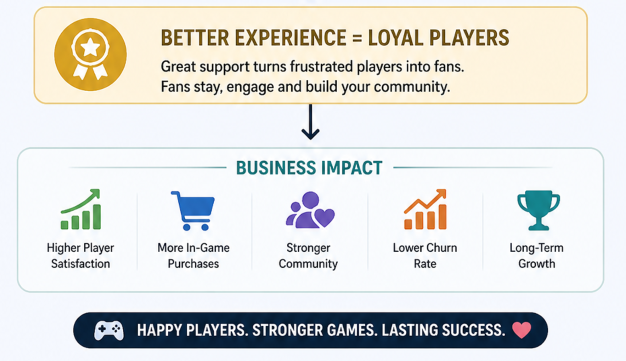
Table of Contents

Ten content moderation trends you can't miss

The future of the content moderation industry

The Growing Role of Content Moderation in Digital Commerce (2025 Update)

How the Content Moderation Industry Is Evolving in 2025

Conclusion

Frequently Asked Questions (FAQ)

Ten content moderation trends you can't miss

1. Working with multi-skilled content moderators

Content moderation goes beyond understanding the fundamental characteristics of a brand. It involves going through hundreds, if not thousands, of content that may seem unnecessary, pointless, or harmful. For this reason, an increasing number of online platforms have started working with multi-skilled moderators who can -

Commit to global standards, have expertise on regional dialects and local culture
Have an open mind to accept views and opinions of others
Respect the rules for developing content for your brand, and,
Replace ineffective content with more valuable alternatives.

2. Adopting a hybrid approach that includes technology and humans

While AI and machine learning can predict different trends regarding the likes and dislikes of your target audience, you still need human judgment to improve your content. The most reliable and effective content moderation services focus on combining the power of technology and humans to boost the quality of user-generated content. While human judgment is essential in developing innovative content, AI can prove effective in discovering trends that could negatively impact your content.

3. Managing content quality

Public reviews play a crucial role in content filtering choices. Moderating content requires an all-encompassing action plan to efficiently identify and correct errors in your content that may invite negative remarks from prospective customers. Therefore, it has become a must to hire content moderators who can quickly identify these errors, set up effective control programs, and develop excellent content that upholds your brand's reputation.

4. Following real-world policies

Sometimes, content developers are so engrossed in conveying their personal opinions through their work that the content may adversely affect the brand. However, content moderation services can rectify such errors by adhering to real-world policies to avoid content that may be sensitive towards political viewpoints or hurt religious sentiments. In addition, content moderations need to constantly update themselves with the latest policies and implement the same in their work to avoid controversies that may impair your brand's reputation.

5. Eliminating offensive and objectionable content

Insensitive remarks or cruel statements are a strict no-no as they can provoke a section of your audience to go against your brand. Any responsible content moderator should guide you in understanding the laws and provisions against hate speeches.

Your content doesn't include the words or phrases that may start a chaotic situation among different communities. They are well aware of defensive languages that can make your content impactful without hurting anyone's sentiments.

6. Prioritizing the safety and privacy of your audience

One of the growing trends in content moderation is forming a special team for monitoring and filtering content that doesn't necessarily follow the norms of content moderation policies against privacy violations.

Cybersecurity threats such as malware, data breaches, and identity theft are increasing concerns for online users. As a result, it's necessary to ensure that the content you publish doesn't compromise the privacy or safety of your audience. Safeguarding the identity and personal information of your users needs to rank high on your priority list.

7. Avoiding false information

Companies are now more conscious than ever about cross-checking the information they publish. But, with trolls waiting for the smallest gap to bash your brand online, you can't afford to give them any breathing room. And the best way to shut them down is by checking the authenticity of your content.

Develop a content moderation system that follows a strict list of policies and prohibits spreading false information, misrepresentation, or fake news. Even the smallest of mistakes can blow up your brand's reputation because of posts made viral by trolls.

8. Increasing transparency

It's high time for your online platform to create and publish a transparency report if you don't have one yet. This report includes the moderation rules you implement on your platform, which helps to inform users about what they can and cannot publish. The biggest social media platforms all provide transparency reports about how they handle private information, copyrights, protection of intellectual property, and data requests.

9. Handling machine-generated and spam content

AI's machine-generated content (including generative AI) is now becoming even more sophisticated in 2025. Platforms are increasingly relying on AI-detection tools combined with human moderators to identify harmful or misleading content. The primary drawback of this system is that it may lead to the dissemination of malicious information, thus degrading your audience's experience and, in turn, denting your brand's reputation. Individuals or organizations with ill intentions can create multiple accounts on your platform and publish spam content in bulk. Boosting the security of your site and finding unique solutions to the moderation of this kind of content are imperative to provide the best user experience.

10. Developing a localized approach

It's important to remember that each country has its own regional, cultural, and socio-political nuances. If your website attracts an international audience, you need to take this into account to cater to their content needs. Simply outsourcing content moderation services to the first company you find online may not yield the best results. In 2025, the trend is toward multi-regional moderation teams and AI-assisted cultural adaptation to meet global audience expectations. It's better to work with a company with multiple regional and local hubs so you can create an effective location-based strategy.

The future of the content moderation industry

There is no denying that AI controls the advertisements and posts that we see on our social media feed every day. A lot of content that we come across are not what we would like to see, but they pop up on our feed anyway. What if your e-commerce brand mistakenly posts something that your target audience doesn't like, even if you have no intention of stirring up controversy? Such a situation can wreak havoc on your brand.

Since it's becoming a challenge to handle machine-generated content, the best way to counter this problem is to rely on content moderation. It can effectively eliminate content that may hurt your viewers' sentiments or create a divide among your audience. The demand for advanced moderation solutions is projected to grow significantly in 2025 as e-commerce, social media, and generative AI expand. It's reasonable to assume the continuous growth of content moderation for as long as the e-commerce industry and social media platforms exist.

The Growing Role of Content Moderation in Digital Commerce

The content moderation business has become a critical component for brands operating in highly competitive digital environments in 2025. As online platforms scale, businesses increasingly depend on structured moderation frameworks to maintain trust, reduce risk, and comply with updated platform regulations. This is especially relevant as customer interactions continue to move toward user-driven ecosystems.

For content moderation for eCommerce websites in 2025, moderation plays a vital role in managing product reviews, customer images, seller listings, and user comments. Effective moderation helps prevent misleading claims, offensive language, and fraudulent listings, ensuring a safe and reliable shopping experience for customers while protecting brand credibility.

How the Content Moderation Industry Is Evolving in 2025

The content moderation industry is evolving rapidly in 2025 as platforms face increased scrutiny from regulators, users, and advertisers. With the rise of AI-generated content, stricter global data privacy regulations, and platform accountability, moderation services are no longer optional but a strategic necessity.

As digital communities grow, the demand for scalable, transparent, and culturally aware moderation solutions continues to increase. Businesses that invest early in advanced moderation strategies are better positioned to manage risk, build trust, and sustain long-term growth.

Conclusion

Keeping up with the latest trends in content moderation requires a significant time investment. Still, it holds the key to developing the best strategy for monitoring and filtering the content you publish online. If you want to work with the leading content moderation service provider, feel free to get in touch with Wow Customer Support. We have a team of experienced professionals who can offer 24/7 services to help you monitor your social media page, e-commerce website, blog, or forum.

Allow us to review your existing content, analyze future posts, and ensure that every content you publish helps you increase leads and conversions. Also, don't forget to like, share, and comment on our blog.

Frequently Asked Questions (FAQ)

1. What is content moderation?

Content moderation is the process of monitoring, reviewing, and managing user-generated content to ensure it follows platform guidelines and legal standards.

2. Why is content moderation important for businesses?

It helps protect brand reputation, prevent harmful content, and build trust with users.

3. Is content moderation necessary for eCommerce websites?

Yes, it helps manage reviews, product listings, and user interactions to ensure a safe shopping experience.

4. Can AI fully replace human content moderators?

No, AI works best when combined with human judgment for accuracy and context.

Why UX Writers and Customer Support Service Should Team Up

Why UX Writers and Customer Service Should Team Up

Most companies haven't tried it yet but user experience (UX) writers teaming up with customer support service has become a major point of discussion in recent years. As the name suggests, user experience starts from understanding user's (customer) expectations and nobody understands people better than customer rep themselves. They get to attend to customers' inquiries, reviews, and complaints. So they know what to do when improving users' experience.

According to recent UX research studies, 52% of customers leave websites without intending to return due to poor aesthetics. Users who are dissatisfied with what they learn on one website are more likely to switch to another service and continue their research there. Even your domain name has a significant impact on your brand identification and might detract from the user experience of your leads.

By anticipating and, ideally, preventing customer misunderstanding, good UX writers deliver proactive service. UX writing, like customer support service, leads to interactions that prioritize people. UX writers have been known to refer to their work as "the words on the buttons". However, it's more than that, because the collaboration between customer support teams and UX writers has a lot of benefits. Before delving fully into why they should team up, let's talk about UX writers.

Table of Contents

What is UX Writing About?

What UX Writers and Customer Support Service Have in Common

They Both Share Common Goals and Methods

They Both Impact One Another

How UX Writers and Customer Support Service Can Collaborate

Customer Support Service and UX Writers Collaboration Benefits

Final Thoughts

Frequently Asked Questions (FAQ)

What is UX Writing About?

The practice of designing the words users see and hear when interacting with software is known as UX writing. It's all about figuring out how to make a product and its customer have a dialogue.

One of the most difficult aspects of product copy is that it is frequently written by the same individuals who are constructing the product. They may unwittingly turn a blind eye to the difference between what they imagine the user does with the product and what the user actually does with the product since they are involved from the beginning. Consequently, the copy ends up not being effective.
This leads to the question: who should be working on the product copy?

This is when a UX writer comes in handy. A UX writer improves a user's experience with a product by improving the product's communication. A skilled UX writer spends time going through tickets and listening to customer calls to understand the issues that customers encounter, and then works towards resolving them.

However, sifting through a sea of support tickets for incidents that can be traced back to poor product copy is a time-consuming task. While it isn't hard to complete this task on your own, a little assistance from someone who has worked with the customer support service team before can go a long way.

What UX Writers and Customer Support Service Have in Common

Customer Support Service is a Resource for UX
In an ideal world, all products and services would be simple to use and comprehend, and users would never need to contact customer care. Regrettably, this isn't always the case.

Even with an excellent UX write-up, users may have problems or have queries at any time, and they will contact or call you for assistance. During this time, the team of UX writers may be so preoccupied with crafting perfect write-ups for your company's product or service that they would overlook the fact that the experience is far more essential than the product they are creating.

However, one important source of information on user expectations is often overlooked: customer service. Customer support service refers to any action that involves anticipating and offering professional, helpful, and high-quality service and assistance to customers before, during, and after their needs are addressed. As a result, in addition to user experience research, customer support is another powerful source of knowledge about your users.

You can bet that if something is a hassle for your users, it will be a pain for your customer service personnel as well. Customer service and the UX team both want people who don't have any inquiries or problems when using the product.

They Both Share Common Goals and Methods

As stated earlier, customer support service and user experience both strive for the same goal: a user who has no queries and encounters no problems when using their product.
When a user has a question, however, customer support's goal is to discover the best method to answer it, using the best language possible, so the user understands and doesn't have to ask again. When writing content for a certain feature or page, a UX writer's role is to anticipate these questions.

When a user has an issue, customer support's role is to come up with a solution within their means and limits. This entails considering what the product can and cannot achieve, as well as providing a different option to bring the user as close to their desired outcome as feasible. Again, a UX writer's job is to come up with the greatest possible solution to the user's needs while working within the limits that they have.

They Both Impact One Another

UX writers and customer support have similar aims and use similar strategies to achieve them, but they also have a direct impact on one another.

Customers will complain less about an easy-to-use product, giving your customer support team more time to handle the concerns that do come in. They will be able to respond more swiftly and with more personalized responses, increasing user satisfaction with your product. As a result, there will be fewer complaints and more time to respond, among other things.

Consider this... Every user who has ever emailed customer support has taken 5–10 minutes out of their day to tell you how they feel about your product. This shows that customer support and UX writers must pay attention to user complaints because they are a treasure mine of user expectations. Listening should be their strongest suit.

How UX Writers and Customer Support Service Can Collaborate

Design Better Interface

Designers accept input from multiple teams when designing a product's interface and customer service should be one of them. Involving a UX writer and a customer support representative early in the design process benefits all three teams – design, support, and UX. Of course, there's also the user.

Support representatives have hands-on experience talking customers through features and proposing solutions when they run into problems. They are a better judge of the flow of a feature from beginning to end as a result of these experiences. They also get frequent feedback on the product and are familiar with a variety of feature requests, which helps them make design decisions.

Understand Users Pain Points

Apart from understanding the audience, you must also consider their pain points when writing text that improves the user experience. To accomplish this, you must identify and eliminate hitches in the product's use through good copywriting.

Taking customer calls will allow you to discover situations where the customer is having difficulty completing a task on their own. Speaking with support personnel, in addition to taking calls from consumers, can provide you with a more complete view of the issues users are having with the product. One method to achieve this is to talk about features (particularly those with low uptake) and request a download of various use cases and usability issues from the customer care team.

Know the User Better

To write copy that benefits your users, you must understand:

  • Who the user is
  • How the user interacts with the product in various situations

As a result, UX writers and designers make use of the user's persona. Contrary to popular opinions, user personas are utilized by designers and customer support teams, and not simply marketing and product teams.

Designers create user personas to better understand the target audience's needs, goals, and personality traits.

You must go beyond user personas to truly understand the user to develop great copy. To accomplish this, you should collaborate closely with customer service representatives, who spend a lot of time talking to customers and will have a thorough awareness of their viewpoints. Customer Support representatives are well-versed in the optimum workflows, use cases, comprehension, and expectations of various user groups. Working with them can assist you in putting yourself in the shoes of your users.

Use a Language That Customers Understand

A UX writer's major goal is to provide copy that is appealing to the user. Thus, you must ensure that the language you employ is consistent with that of your customers to achieve this.

Customers tend to refer to your product's qualities in a variety of ways. They may borrow vocabulary from previous products they've used, or they may invent new phrases depending on their understanding of the functionality.

Customer Support Service and UX Writers Collaboration Benefits

Customer support teams and UX writers working together create a seamless customer journey, enhancing overall satisfaction. By sharing insights from support interactions, UX writers can craft copy that anticipates user questions and reduces friction, ultimately improving product usability.

Moreover, integrating customer support service feedback into UX writing helps UX writers fine-tune messaging, ensuring it aligns with real-world user expectations. This collaboration not only enhances the interface but also strengthens communication consistency across all user touchpoints.

Final Thoughts

Customer support service representatives in any firm can be found attempting to limit the number of how-to queries they receive so that they can focus on assisting clients with more complicated issues. A UX writer aims to improve a product's usability through words, reducing the number of how-to queries in the process. When two teams with the same aim collaborate, the result is twice as satisfying: better UX writing and a significant decrease in how-to queries.

If you're looking to outsource your customer support service and improve your user experience, look no further than Wow Customer Support. Contact us today to learn more about our services.

Frequently Asked Questions (FAQ)

1: What is the role of a UX writer?

A UX writer designs product copy that improves usability and anticipates user questions.

2: How can customer support service help UX writers?

Support teams provide real-world insights from user interactions, which help UX writers improve copy and interface messaging.

3: Why should UX writers and customer support collaborate?

Collaboration reduces user friction, improves satisfaction, and ensures consistent communication across all touchpoints.

4: Can this collaboration reduce customer complaints?

Yes. Well-crafted UX writing based on support feedback minimizes confusion, reducing the number of inquiries and complaints.

In House Vs Outsourcing Lead Generation: The Choice that Improves ROI

In House Vs Outsourcing Lead Generation

Lead generation is the process of prospecting and converting the target customers into a person who indicates interest in the product or services that your business offers. Some common methods of lead generation include online and offline advertising, online events, inbound call center outsourcing, offering discounts and promotion, inbound calling, and other strategies.

However, the process of generating quality leads can be quite time-consuming for most startups and small businesses. This is why several businesses choose to outsource this process to lead generation companies. On the other hand, some business owners believe in establishing an in-house lead generation team to generate leads for their business. One question that can plague the business owners, entrepreneurs, and marketers is whether they should establish an in-house lead generation team or outsource this process to a professional lead generation company?

Without any doubt, outsourcing is the better option for your business. Here are eight benefits of the outsourcing lead generation process to help you understand how outsourcing can better improve your business ROI:

Table of Contents

Lead generation outsourcing lead to better and swift results

Lead generation outsourcing saves you time

Outsourcing can result in greater productivity

Outsourcing lead generation doesn’t require staff training

Lead generation agencies provide a broader skill set and experience

They can help your business stay on top of the latest trends

You can run campaigns on demand

Lead generation agencies can help target multiple channels

Outsourcing Lead Generation for Maximum ROI

Conclusion

FAQs

1. Lead generation outsourcing lead to better and swift results

According to a report by Gartner, over half of all marketers now report a significant dependence on external agencies for both strategic planning and campaign execution..

When you outsource lead generation services, you know the process will be in professional hands. The experts who specialize in lead generation will be laser-focused on their best-fit audience. Not just numbers, but they will be targeting high-quality leads to help you close more deals. The agency can help you set bigger goals for your business and look toward the bigger picture as the business can enjoy a higher conversion rate through quality lead generation.

2. Lead generation outsourcing saves you time

In the business world, time is money. Lead generation requires investing a lot of time into targeting and prospecting your target audience to generate quality leads. Your in-house team will have to invest several hours to create content, research the audience, promote the content, advertise, and analyze and optimize the lead generation strategy. This will consume a lot of time.

On the other hand, when you assign this whole process to a lead generation agency, they use their years of expertise working in the lead generation industry to target the right audience with the right strategy. You will also not have to invest in training them for lead generation. Hence, you will be saving several hours and money for your business.

3. Outsourcing can result in greater productivity

When business owners and entrepreneurs choose to hire a lead generation and inbound call center outsourcing agency, they don’t need to spend their valuable time managing and handling the in-house lead generation team. Business owners can focus on other aspects of their business that need their immediate attention.

Additionally, when the sales team doesn’t have to spend their time on telemarketing to produce leads, they will be more effective and productive in converting sales for your business. The quality leads generated by the outsourcing agency will also help your sales team perform better and secure more sales.

4. Outsourcing lead generation doesn’t require staff training

When you choose to set up an in-house team for lead generation, you need to hire, train, and manage telemarketers for better performance. Hiring and training new staff can be a tiring task for your HR team. Moreover, new hires usually need 3 to 6 months to adjust to marketing tools and strategies.

On the other hand, lead generation agencies have a rigorous hiring process, and they already have a team of professionals skilled at prospecting and generating quality leads for your business. The agents in the agency are trained specifically to perform their duties effectively for the benefit of your business.

5. Lead generation agencies provide a broader skill set and experience

Lack of resources such as staff, funding, and time remains the biggest obstacle to successful lead generation efforts for 61% of B2B marketers (a statistic that continues to remain relevant in recent industry surveys).

When you choose the right inbound call center outsourcing agency to outsource lead generation, your business can avail of the services of several specialists that manage the day-to-day workings. The complete lead generation process would include different strategies, such as content creation, campaign management, analyzing the results, customer support services, web analytics, market research, and more.

Outsourcing the lead generation process to the right agency will mean that only specialists will be handling all these tasks. Hence, the leads generated by the agency will most probably have better conversion opportunities, resulting in increased ROI for your business.

6. They can help your business stay on top of the latest trends

Lead generation outsourcing agencies bring more than their expertise. When you hire these agencies for lead generation, you get the latest marketing trends. To generate quality leads, your business should always stay updated with the latest developments in marketing.

When you hire these agencies, you can rest assured that your business will always be on top of things. Inbound call center outsourcing agencies work for various clients. They can implement successful lead generation strategies from their previous experiences. They don’t have to start over with every new client. However, businesses need to ensure that the lead generation company is not working with their competitors simultaneously.

7. You can run campaigns on demand

When you invest in an in-house lead generation team, you are under constant pressure to run the campaign continuously. You don’t want your lead generation team to do nothing the whole day. However, when you outsource the lead generation process, you have the freedom to run the campaign only when your business needs it. You may want to run your campaigns to boost sales or to support your marketing efforts. When you run the campaign only when required, you can reduce your marketing spends and improve the ROI for your business.

8. Lead generation agencies can help target multiple channels

42% of organizations believe email is one of their most effective lead generation channels, and 49% of B2B marketers are heavily engaged in mobile marketing for generating leads — figures that continue to be supported by recent marketing reports.

Lead generation outsourcing agencies use multiple channels and mediums to communicate with your target audience. They use various tools and strategies for prospecting your product/services to your potential customers. This will reduce the risk of depending only on one platform to generate leads.

On the contrary, your in-house lead generation team may not be efficient enough to use multiple channels to connect with potential customers. Hence, outsourcing your lead generation to a professional agency means your business will be getting better results using the right set of tools and channels without investing in them.

9. Outsourcing Lead Generation for Maximum ROI

Outsourcing lead generation can dramatically improve your business ROI by providing access to specialized skills, tools, and multi-channel strategies. Businesses that invest in demand generation outsourcing often experience faster growth, better lead quality, and cost efficiency compared to an in-house team. The benefits of outsourcing lead generation include reduced overhead, increased productivity, and the ability to scale campaigns quickly.

Outsourced B2B lead generation companies allow businesses to focus on core operations while ensuring a consistent flow of qualified leads. Whether evaluating call center in house vs outsourcing, or deciding to outsource lead generation, professional agencies bring expertise in lead nurturing, targeted campaigns, and measurable outcomes. Outsourcing demand generation and working with trusted outsourced lead generation companies ensures your marketing efforts deliver maximum ROI without stretching internal resources.

Conclusion

To conclude, outsourcing the lead generation process is more effective and efficient, especially for small and mid-sized businesses, as businesses can get access to various skills needed for lead generation in one place. Lead generation will require various services, such as data mining, content creation, market research, advertising, customer support services, evaluating analytics reports, and more.

Small and mid-sized businesses may not have enough resources to establish a whole team for this. Hence, outsourcing lead generation can help them save some time and money while generating leads effectively and improving the return on investment of their business.

Want to know more about lead generation and inbound lead generation and call center outsourcing? Contact us now!

FAQs

1. Is outsourcing lead generation still effective in 2025?

Yes. Outsourcing remains highly effective due to access to advanced tools, skilled professionals, and multi-channel marketing strategies.

2. Can small businesses benefit from outsourcing lead generation?

Yes. Small businesses often benefit the most because outsourcing reduces overhead costs and provides access to experienced professionals.

3. Is outsourcing more cost-effective than hiring an in-house team?

In most cases, yes. Outsourcing eliminates recruitment, training, and infrastructure costs.

4. Can outsourced lead generation improve conversion rates?

Yes. Agencies focus on targeting qualified leads, which often results in higher conversion rates.

Top 5 Roles of a Customer Solutions Specialist – What They Actually Do for Your Business

Customer Solutions Specialist

Businesses today move fast, and customers move even faster. In this rapid pace, one person quietly carries a huge part of your brand’s reputation. He is the customer solutions specialist. This role is not visible, nor is it decorated with glamorous titles. Yet, it is the strong bridge between your customer’s needs and your company’s promises.

In many companies, teams chase tools, dashboards, and fancy platforms. But the heart of a strong customer support solution is still a real human who listens, interprets, and solves. A customer solutions specialist is that human anchor. This team of specialists takes the entire customer service machine and makes it feel warm and natural for the people who matter most: your customers.

Did you know that 86% of customers globally are willing to pay more for a better customer experience. This blog peeks behind the curtain to show you what they do, why they matter, and what their work truly means for your business.

Table of Contents

What Makes a Customer Solutions Specialist Different?
Role 1: The Listener Who Hears More Than Words
Role 2: The Problem Mapper Who Finds the Real Issue
Role 3: The Guide Who Navigates Your Customer Support Solution
Role 4: The Peacekeeper Who Saves Customer Relationships
Role 5: The Growth Partner Helping Your Business Improve
How These Roles Strengthen Your Entire Customer Service Solution
FAQs
Conclusion

Customer Solutions Specialist

What Makes a Customer Solutions Specialist Different?

A customer solutions specialist is not just someone who answers emails or picks up calls. They sit at the center of your customer solution center and act as an interpreter of business emotions. Customers come with half-explained problems, unclear confusion, or rushed questions. The specialist converts these scattered signals into clear actions.

Unlike a support agent who simply follows scripts, these specialists observe patterns. They connect dots between complaints, features, and expectations. They make your customer contact solutions feel alive instead of mechanical. And when things get messy, they clean the mess before it becomes a disaster.

Role 1: The Listener Who Hears More Than Words

A customer solutions specialist listens for the story behind the words. Customers don’t always explain everything. Sometimes they talk in circles, or they rush, or they vent. The specialist listens for tone, context, gaps, and hidden needs.

They hear what is unsaid. They spot fear, doubt, or urgency. They sense the real problem long before it is spoken. This deep listening is the first step of any strong customer support solution. Without this, everything else becomes a guess.

Customer Solutions

Role 2: The Problem Mapper Who Finds the Real Issue

Once they listen, the next role of mapping the problem begins. Most customer concerns are not surface-level issues. A late delivery? Maybe the deeper issue is unclear tracking updates. A billing problem? Maybe the real issue is a confusing checkout flow.

A customer solutions specialist follows the path backward. They look at systems, patterns, previous tickets, and recurring frustrations.

In a busy customer solution center, this is power. It prevents the same issue from returning again and again. And your customer service solution becomes sharper over time.

Role 3: The Guide Who Navigates Your Customer Support Solution

Your tools, workflows, and systems can feel like a maze to customers. The specialist becomes the guide who knows every path. They know how your customer contact solutions work internally. They know everything about dashboards, the tools, the rules, the exceptions, and the fixes.

They guide customers patiently, clearly, and sometimes cleverly. They simplify your process so a confused customer becomes a confident customer.

When customers feel guided instead of pushed around, trust grows. This is where your customer support solution transforms from functional to delightful.

Role 4: The Peacekeeper Who Saves Customer Relationships

Sometimes a customer comes in angry and sometimes disappointed. Some come in ready to leave forever. A calm specialist can turn the tide. This is where emotional handling comes in.

They don’t fight. They diffuse, protect, and rebuild. The customer solutions specialist becomes the peacekeeper who saves relationships. They turn rough moments into second chances, and customers remember this more than any feature or discount.

Customer Solutions

Role 5: The Growth Partner Helping Your Business Improve

This role is less visible but incredibly powerful. Specialists see more customer pain points than any team. They see patterns in failed touchpoints, confusing instructions, and slow processes.

So they become silent advisors. They suggest improvements that help optimize workflows.
They push the customer solution center to evolve. They take the entire customer service solution forward with insights that feel small but change the way the customer feels.

How These Roles Strengthen Your Entire Customer Service Solution

When these five roles work together, your whole system becomes stronger. Your customer support solution feels smoother. Your customer contact solutions feel tighter, and your customers feel heard.

This is how one role quietly shapes your brand reputation from the inside.

FAQs

1. What is a customer solutions specialist?

Someone who handles customer issues, identifies root causes, resolves problems, and improves the overall support experience.

2. Is a customer solutions specialist different from a support agent?

Yes. They go beyond answering queries by analyzing patterns, insights, and long-term fixes.

3. Do they only work in a customer solution center?

They usually operate through it, but their impact spreads across support, marketing, sales, and product teams.

4. How do they help a customer support solution work better?

By improving communication, identifying recurring issues, and creating smoother workflows.

5. Do they interact with customer contact solutions?

Yes, they use channels such as calls, chat, email, social support, and more on a daily basis.

Conclusion

Businesses often chase new tools, new tech, and new dashboards. But sometimes the most powerful transformation comes from one skilled human. This customer solutions specialist steadies your customer support solution, holds your customer relationships together, and brings clarity to the customer.

If your customer solution center feels stretched, slow, or chaotic, a trained specialist becomes the missing piece. And if you want this role handled by experts who do it with heart, WOWCustomerSupport is the place to begin.

Need a support team that actually talks like humans?

WOWCustomerSupport brings trained specialists who listen deeply, solve wisely, and keep your customers smiling without noise or drama.

Start your journey with WOWCustomerSupport today.

Suggested Reads